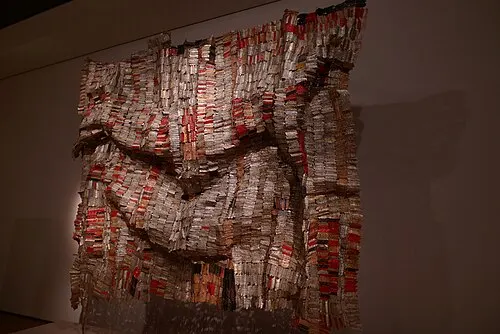
Sculptor
El Anatsui
Ghana · Nigeria · 1944–
Ghanaian sculptor El Anatsui turns thousands of flattened bottle caps into shimmering metal "cloths". His life, his materials and where to see the work.
The domain AfricanArtists.com is for sale.Make an offer
This is the way into the artists on AfricanArtists.com: more than a hundred profiles of painters, sculptors and photographers from across Africa and its diaspora, from the 1920s to today, and lists of nearly nine hundred more by country, by medium and by generation. Start with the lists below, browse the profiles, or read the short introduction to some of the names that matter most.
The profiles span the continent and its languages on purpose: Anglophone West and East Africa, Francophone Mali, Senegal and the Congo, Lusophone Mozambique, Arabic-speaking Egypt, Sudan, Algeria and Morocco, and Southern Africa. For the schools these artists formed or rebelled against, see art movements; for women artists, see our guide to African women artists.
Sculptor
Ghana · Nigeria · 1944–
Ghanaian sculptor El Anatsui turns thousands of flattened bottle caps into shimmering metal "cloths". His life, his materials and where to see the work.
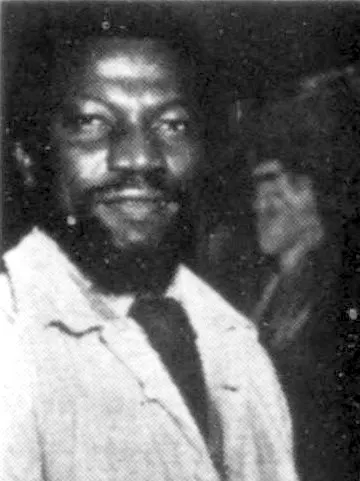
Painter and sculptor
Nigeria · 1917–1994
Ben Enwonwu (1917–1994) sculpted Queen Elizabeth II, made Anyanwu and painted Tutu, the "African Mona Lisa" that sold for £1.2 million in 2018.
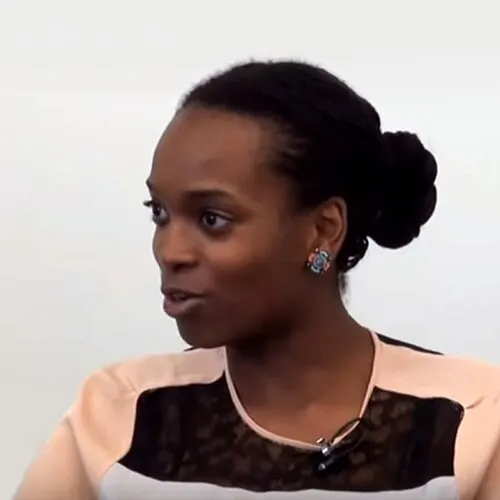
Painter
Nigeria · 1983–
Nigerian-born painter Njideka Akunyili Crosby layers paint, collage and photo transfers into interiors that hold two homes at once. Her life and methods.
Artist
Kenya · 1972–
Kenyan artist Wangechi Mutu builds hybrid figures from collage, bronze and soil. From Nairobi to the first-ever Met facade commission in 2019.
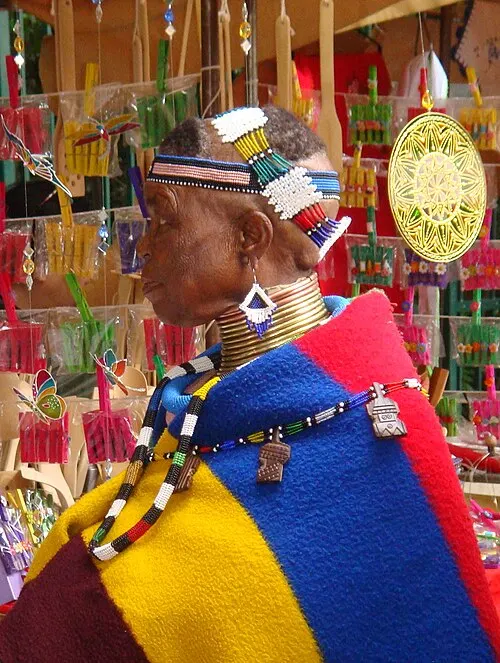
Painter
South Africa · 1935–
Esther Mahlangu took Ndebele wall painting from her village to Paris, a BMW Art Car and the world's museums. Her life, her technique and her legacy.
Painter
Sudan · 1930–
Ibrahim El-Salahi fused Arabic calligraphy and African forms in the Khartoum School, drew his Prison Notebook in 1975–76 and had a Tate Modern retrospective.
Painter
DR Congo · 1956–
Chéri Samba started as a sign painter in Kinshasa and became one of Africa's best-known artists, with comic-strip paintings full of text, humour and politics.
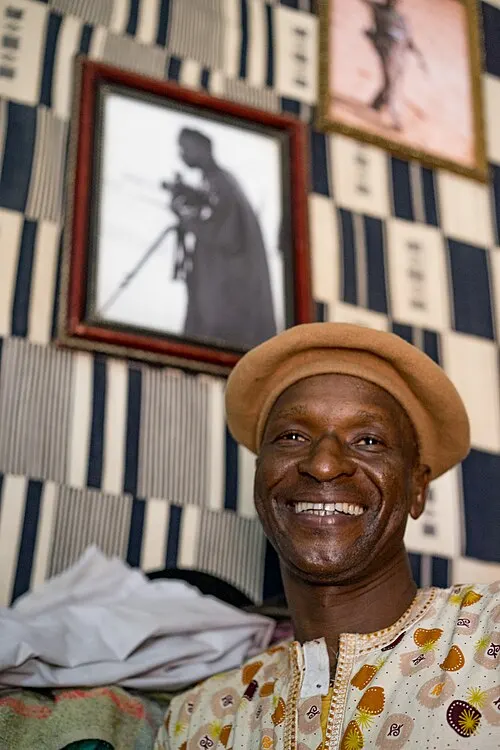
Photographer
Mali · 1935–2016
Malick Sidibé photographed the parties, fashion and freedom of 1960s Bamako. The first photographer to win a Golden Lion for Lifetime Achievement (2007).
Photographer
Mali · 1921–2001
Seydou Keïta ran Bamako's most famous photo studio from 1948 to 1962. His portraits of a city on the eve of independence are now classics.
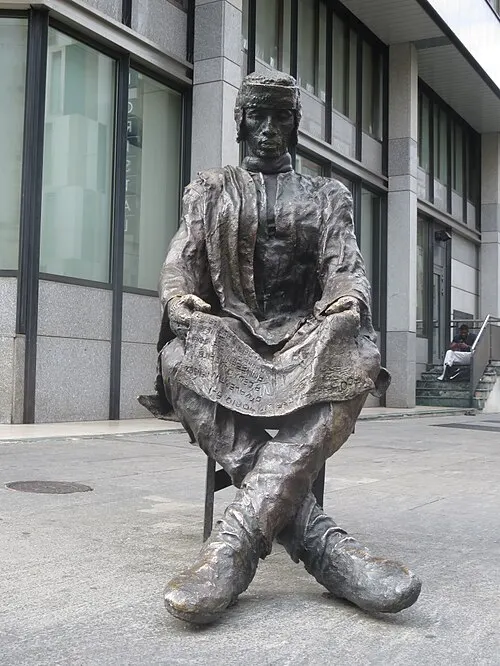
Sculptor
Senegal · 1935–2016
Ousmane Sow, a physiotherapist turned sculptor, made larger-than-life Nuba wrestlers and Maasai and Zulu warriors, and drew three million visitors in Paris.
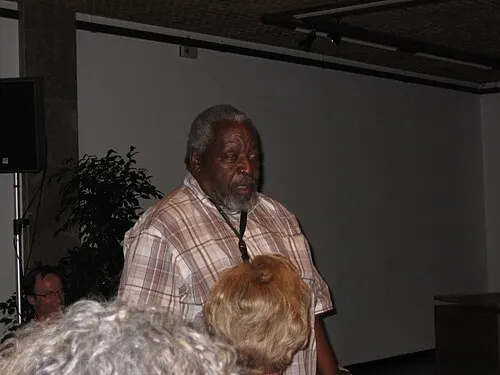
Painter and poet
Mozambique · 1936–2011
Malangatana Ngwenya (1936–2011) painted crowded, visionary canvases, was jailed by the Portuguese secret police and became a UNESCO Artist for Peace.
Painter
Morocco · 1934–2014
Farid Belkahia (1934–2014) led the Casablanca art school, painted with henna on stretched leather and helped give Moroccan modern art its own materials.
Painter
Algeria · 1931–1998
Baya (1931–1998) was sixteen when Galerie Maeght showed her paintings in Paris with a preface by André Breton. Her life, her women and her gardens.
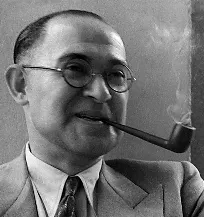
Painter
Egypt · 1897–1964
Mahmoud Saïd (1897–1964) left the law to paint Egypt's people and light. His Les Chadoufs set a record for an Arab artist at auction in 2010.
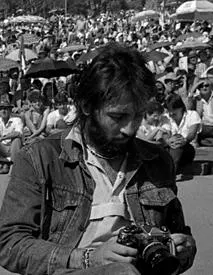
Photojournalist
South Africa · 1960–1994
Kevin Carter covered South Africa's township wars and, in Sudan in 1993, made the Pulitzer-winning vulture photograph. His life, work and the debate it started.
Photojournalist
South Africa · 1963–1994
Ken Oosterbroek (1962–1994), chief photographer of The Star and a Bang-Bang Club member, was killed in Thokoza days before the 1994 election.
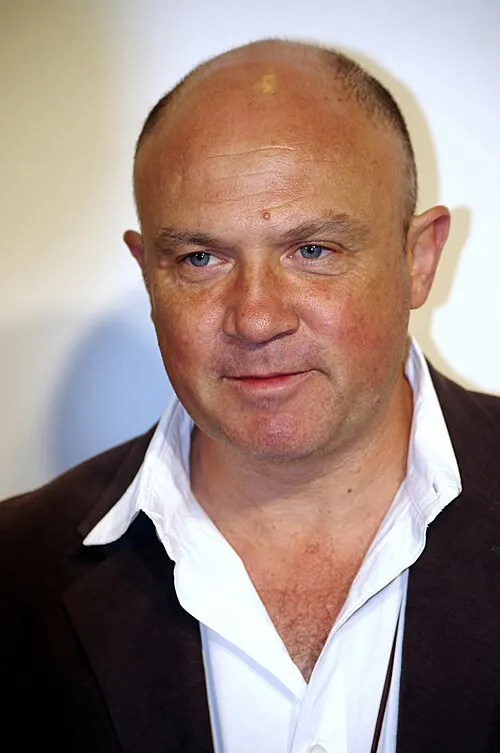
Photojournalist
South Africa · 1962–
Greg Marinovich won the 1991 Pulitzer Prize for Spot News Photography, co-wrote The Bang-Bang Club and later investigated the 2012 Marikana massacre.
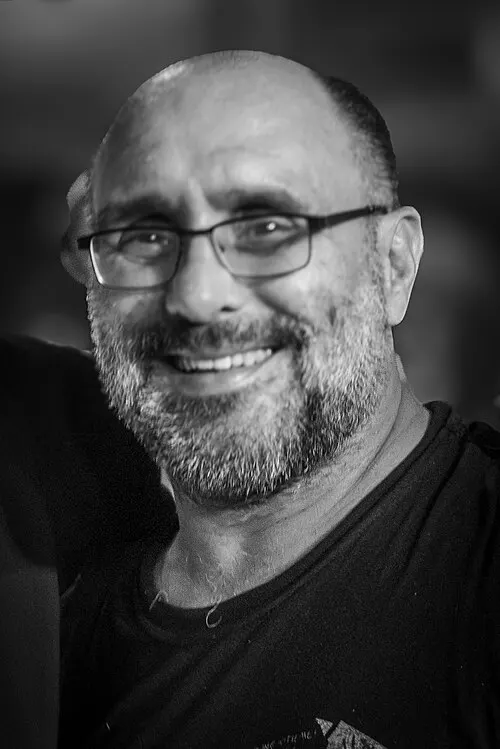
Photojournalist
South Africa · 1966–
João Silva, the Bang-Bang Club photographer, covered wars for The New York Times and returned to work after losing both legs in Afghanistan in 2010.
Photographer
South Africa · 1940–1990
Ernest Cole photographed daily life under apartheid and published House of Bondage (1967) in exile. His lost negatives were found in a Swedish bank in 2017.
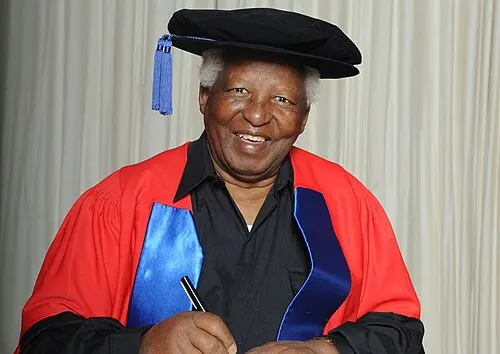
Photojournalist
South Africa · 1932–2024
Peter Magubane photographed Sharpeville, the 1976 Soweto uprising and Mandela's road to the presidency, and spent 586 days in solitary confinement.
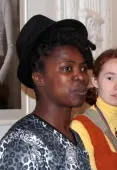
Visual activist
South Africa · 1972–
Zanele Muholi, the South African photographer and visual activist, documents Black LGBTQIA+ lives in Faces and Phases and turns the camera on themself.
Photographer
South Africa · 1930–2018
David Goldblatt (1930–2018) photographed South Africa's mines, suburbs, commuters and buildings for six decades and founded the Market Photo Workshop.
Photojournalist
South Africa · 1934–2018
Sam Nzima photographed the dying Hector Pieterson in the 1976 Soweto uprising, one of apartheid's defining images, and paid for it with harassment and hiding.
Photojournalist
Kenya · 1943–1996
Mohamed Amin, the Kenyan cameraman behind Camerapix, filmed the 1984 Ethiopian famine for the BBC, inspiring Band Aid. He died in a hijacking in 1996.
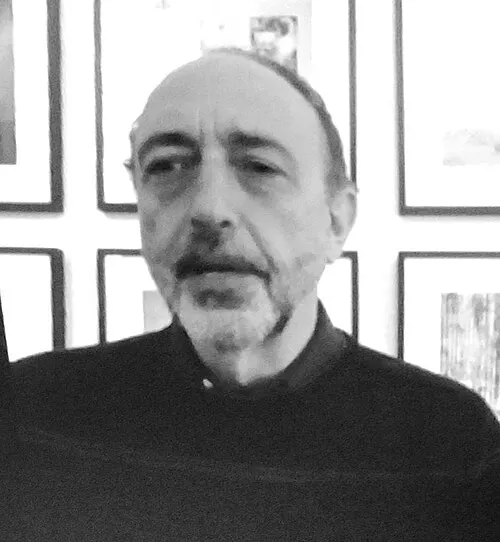
Photographer
South Africa · 1950–
Roger Ballen, a New York-born photographer in Johannesburg since 1982, moved from portraits of rural South Africa to staged, unsettling black-and-white scenes.
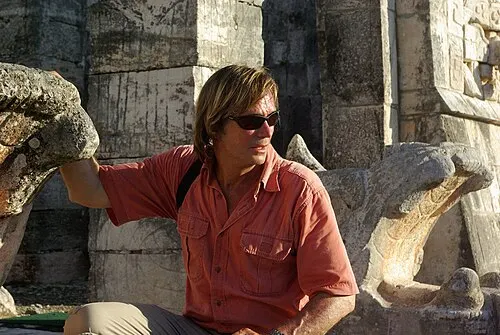
Wildlife photographer
South Africa · 1950–
Austin Stevens, the South African-born herpetologist and wildlife photographer, hosted Snakemaster and once lived 107 days in a cage with 36 venomous snakes.
Photojournalist
Kenya · 1970–1993
Dan Eldon, a photographer raised in Nairobi, covered the Somali famine for Reuters and was killed in Mogadishu in 1993, aged 22. His journals became a book.
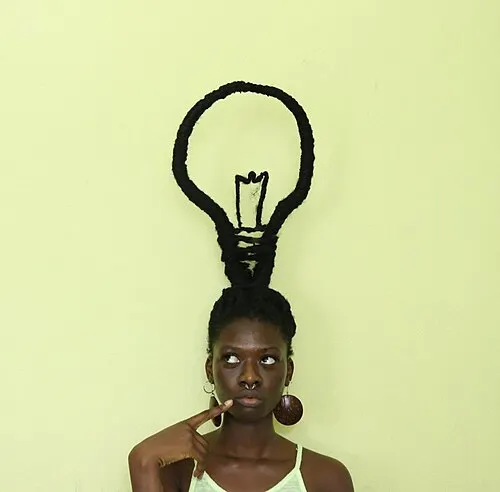
Artist and photographer
Côte d’Ivoire · 1996–
Laetitia Ky, an artist from Abidjan, shapes her hair into sculptures and photographs them to speak about womanhood, beauty and justice. Shown in Venice, 2022.
Photographer
The Gambia · 1992–2017
Khadija Saye, a British-Gambian photographer, made tintypes about Gambian spiritual practices, shown in Venice in 2017 weeks before she died at Grenfell.
Photographer and video artist
Morocco · 1982–2016
Leila Alaoui, the French-Moroccan photographer of Les Marocains, made life-size portraits and films about migration. She was killed in Ouagadougou in 2016.
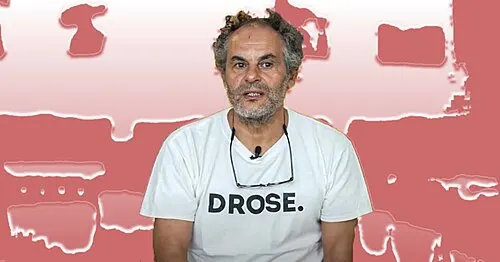
Photographer and designer
Morocco · 1961–
Hassan Hajjaj mixes Moroccan street style, fashion and pop art in bright portraits framed with tins and everyday goods, including the Kesh Angels of Marrakech.
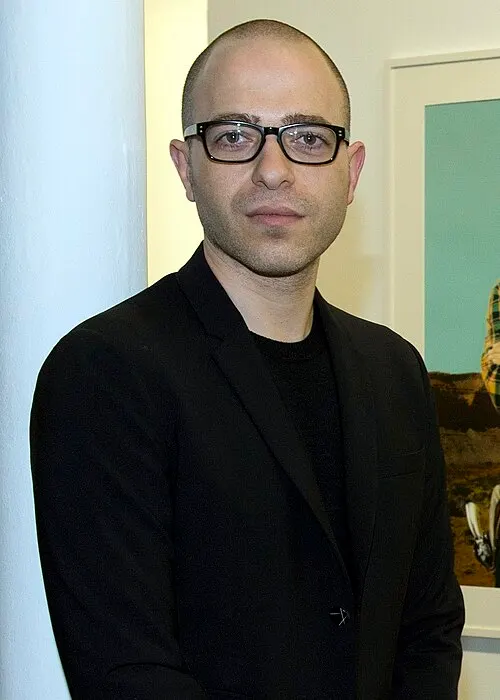
Photographer and filmmaker
Egypt · 1972–
Youssef Nabil hand-colours black-and-white photographs in the style of old Egyptian film posters and studio portraits, portraying stars, artists and himself.
Photographer
Nigeria · Cameroon · 1962–
Samuel Fosso opened a studio in Bangui at thirteen and has photographed himself in costume ever since, from 1970s pop-star poses to his African Spirits.
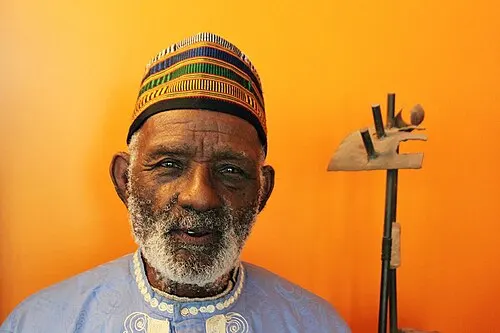
Photographer
Ghana · 1929–
James Barnor photographed Ghana's road to independence from his Ever Young studio in Accra, shot Drum covers in 1960s London and helped bring colour to Ghana.
Photojournalist
South Africa · 1969–2011
Anton Hammerl, a South African-Austrian photojournalist, was killed by Libyan government forces near Brega in April 2011; his death was hidden for six weeks.
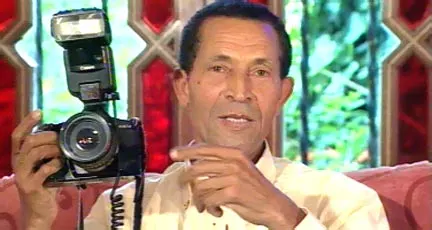
Photographer
Morocco · 1939–
Mohamed Maradji began as a street photographer in Casablanca in 1956 and photographed Morocco's royal family under Mohammed V, Hassan II and Mohammed VI.
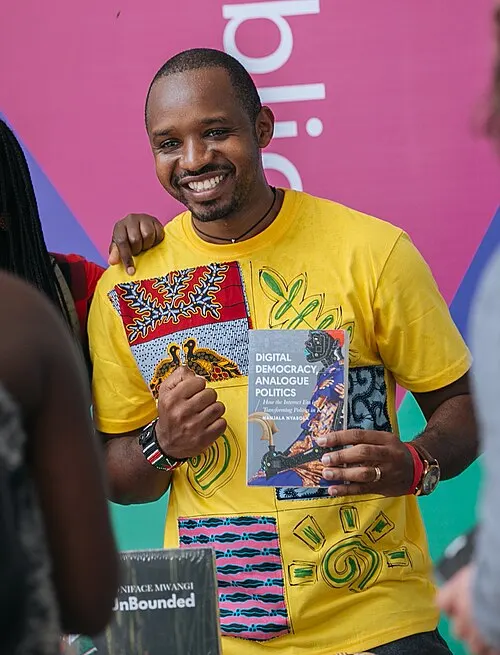
Photojournalist and activist
Kenya · 1983–
Boniface Mwangi photographed Kenya's 2007–08 post-election violence, showed it in a travelling street exhibition and became one of Kenya's best-known activists.
Daguerreotypist
Liberia · 1820–1875
Augustus Washington, an African American daguerreotypist, made the earliest known portrait of John Brown, then moved to Liberia in 1853 and entered politics.
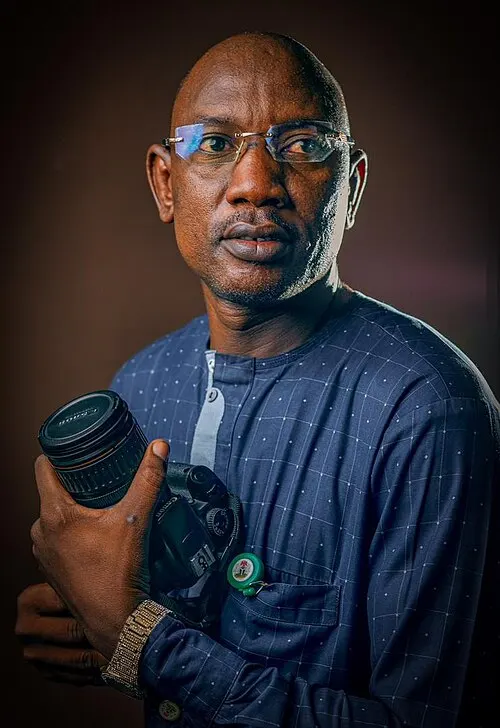
Photojournalist
Nigeria · 1975–
Sani Maikatanga, a Kano photojournalist, documents northern Nigeria's festivals, crafts and daily life, from the Argungu fishing festival to Kano's durbars.
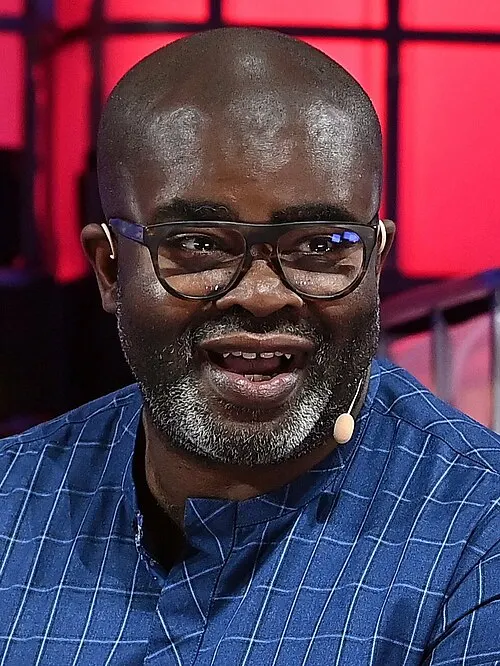
Photographer
Nigeria · 1977–
Misan Harriman, the Nigerian-born British photographer, became known for his 2020 Black Lives Matter pictures and shot a British Vogue cover.
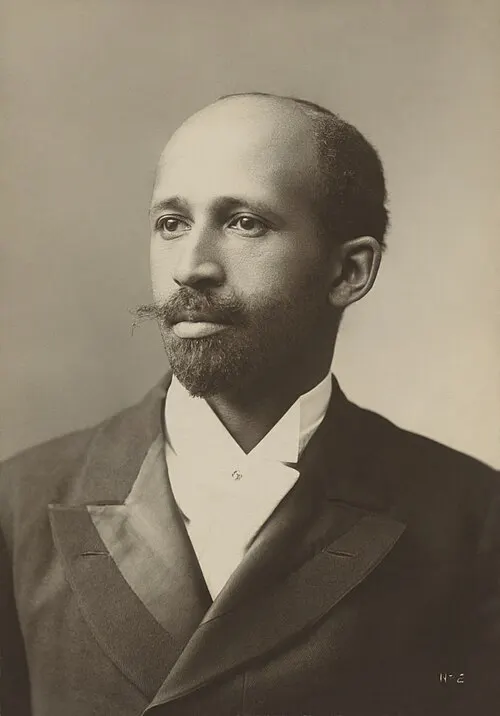
Sociologist and image-maker
Ghana · 1868–1963
W. E. B. Du Bois, the civil-rights leader who died a Ghanaian citizen, used photography as argument in his 1900 Paris exhibit of portraits of Black Americans.
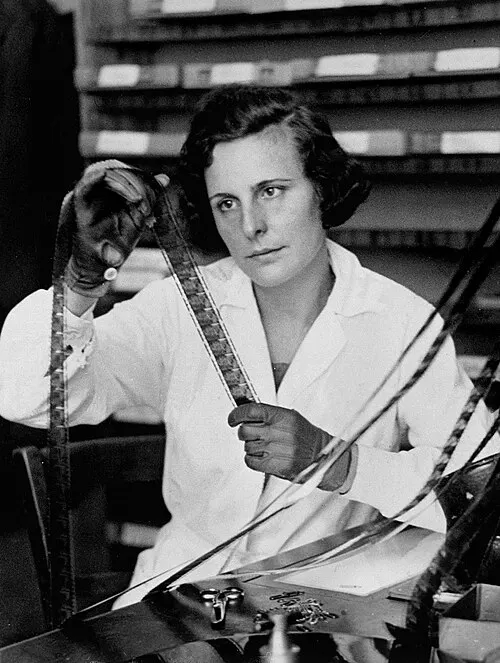
Filmmaker and photographer
Sudan · 1902–2003
Leni Riefenstahl, director of Nazi propaganda films, photographed the Nuba of Sudan in the 1960s–70s. Why the pictures are contested, and who studies them.
Photographer turned rebel leader
Sierra Leone · 1937–2003
Foday Sankoh was a wedding photographer and cameraman before founding the RUF, whose war in Sierra Leone was marked by atrocities. He died awaiting trial.
Wildlife cameraman
Sudan · 1990–
Hamza Yassin, born in Sudan and based in the Scottish Highlands, is a wildlife cameraman, photographer and TV presenter — and won Strictly Come Dancing in 2022.
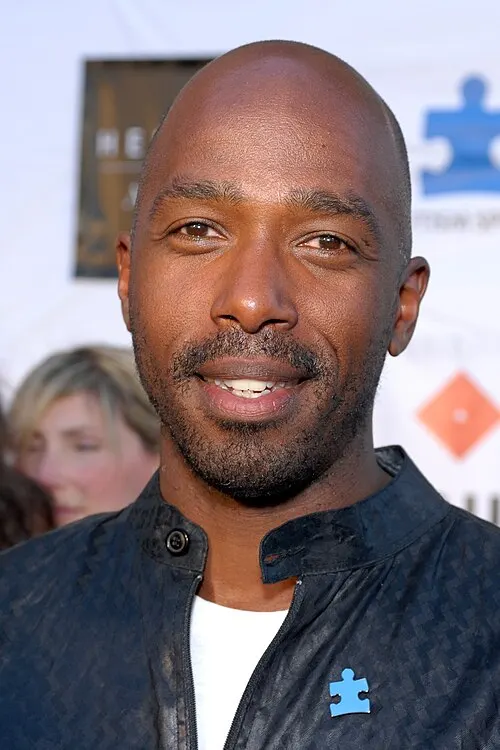
Actor and photographer
Uganda · 1967–
Ntare Guma Mbaho Mwine, the Ugandan-American actor of Treme and Blood Diamond, is also a photographer whose pictures of Uganda have been widely shown.
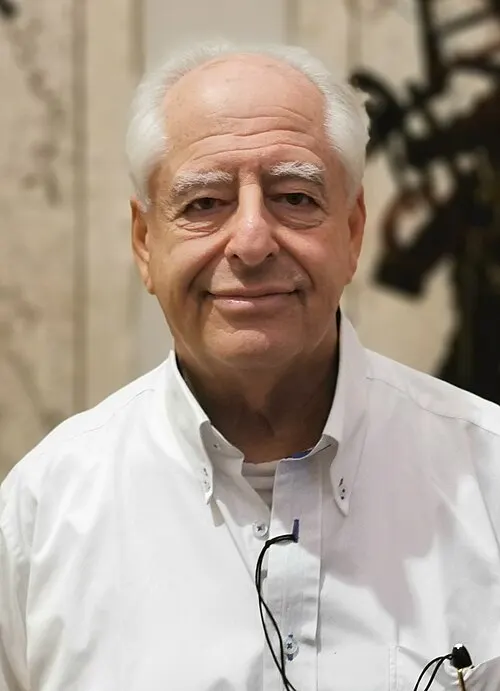
Artist
South Africa · 1955–
William Kentridge makes films from charcoal drawings he draws, erases and redraws, the Drawings for Projection, and operas and sculpture about South Africa.
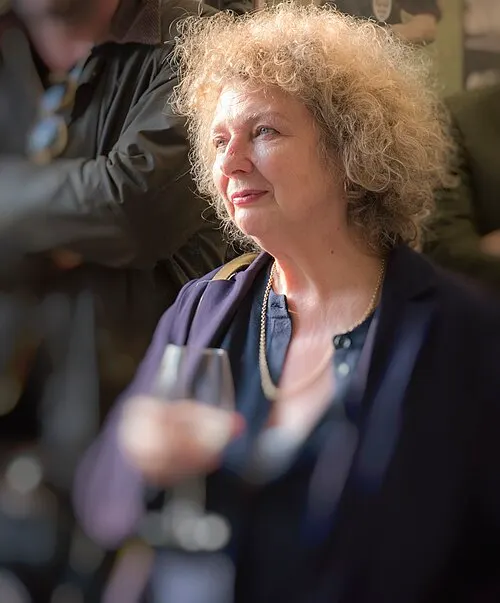
Painter
South Africa · 1953–
Marlene Dumas, born in Cape Town and in Amsterdam since 1976, paints faces and bodies from photographs in loose, wet washes. A leading painter of our time.
Painter
South Africa · 1894–1966
Irma Stern brought German Expressionism to South Africa in the 1920s; derided, then celebrated, her portraits now sell for millions. Her home is a museum.
Painter
South Africa · 1913–2006
Vladimir Tretchikoff, the Russian-born painter in Cape Town from 1946, made Chinese Girl, the "Green Lady", one of the 20th century's most reproduced pictures.
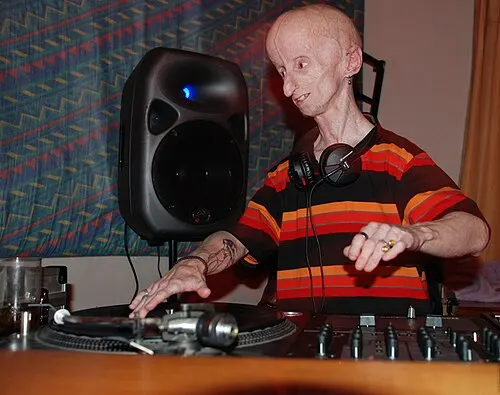
Painter and DJ
South Africa · 1985–2011
Leon Botha, a Cape Town painter and hip-hop DJ with progeria, appeared in Die Antwoord's Enter the Ninja and made art about his condition. He died at 26.
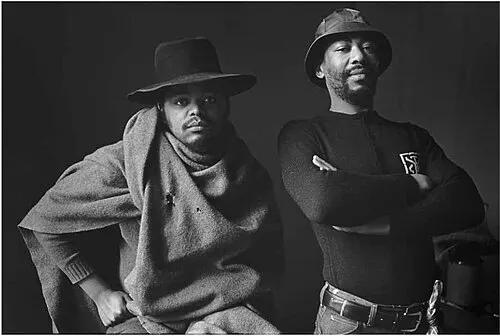
Painter and sculptor
South Africa · 1942–1991
Dumile Feni, the "Goya of the townships", drew apartheid's suffering in powerful, distorted figures, above all African Guernica (1967), before exile in 1968.
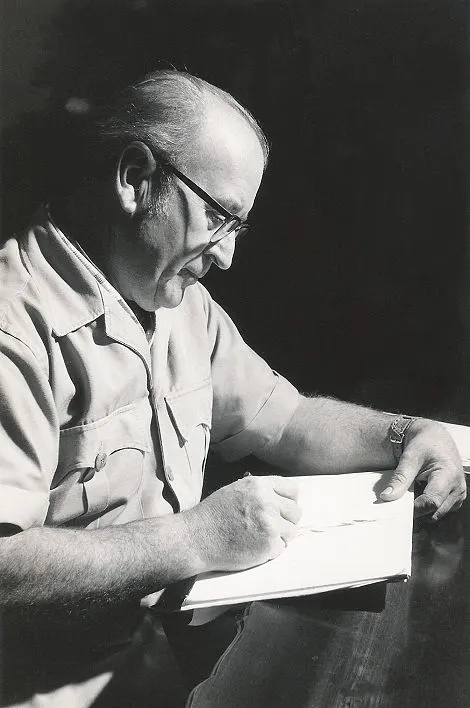
Sculptor
South Africa · 1905–1982
Coert Steynberg made the Paul Kruger statue at the Kruger Gate, the Bartolomeu Dias at South Africa House and the Krugerrand springbok: Afrikaner monuments.
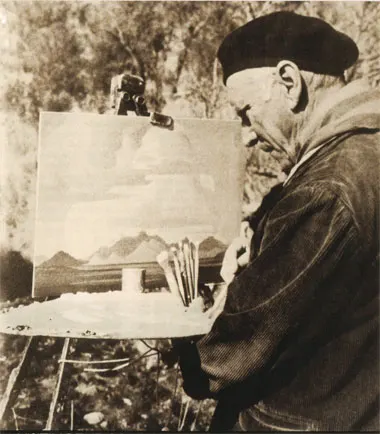
Painter
South Africa · 1886–1957
J. H. Pierneef painted the highveld in ordered, geometric landscapes, above all the 32 Johannesburg Station Panels (1929–32), now read in political context.
Photographer and painter
South Africa · 1960–
Zwelethu Mthethwa won acclaim for colour portraits of South Africans at home. In 2017 he was convicted of murdering Nokuphila Kumalo and jailed for 18 years.
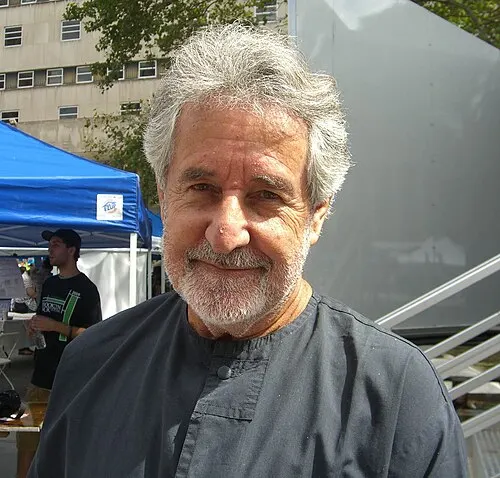
Writer and painter
South Africa · 1939–2024
Breyten Breytenbach, the great Afrikaans poet who opposed apartheid, was jailed for seven years and painted throughout his life. He died in Paris in 2024.
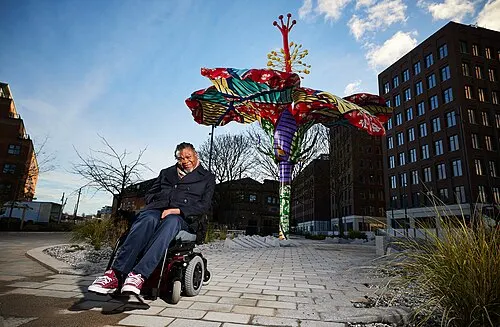
Artist
Nigeria · 1962–
Yinka Shonibare dresses headless figures in Victorian costume of "African" Dutch wax print, a fabric with a European history, to question empire and identity.
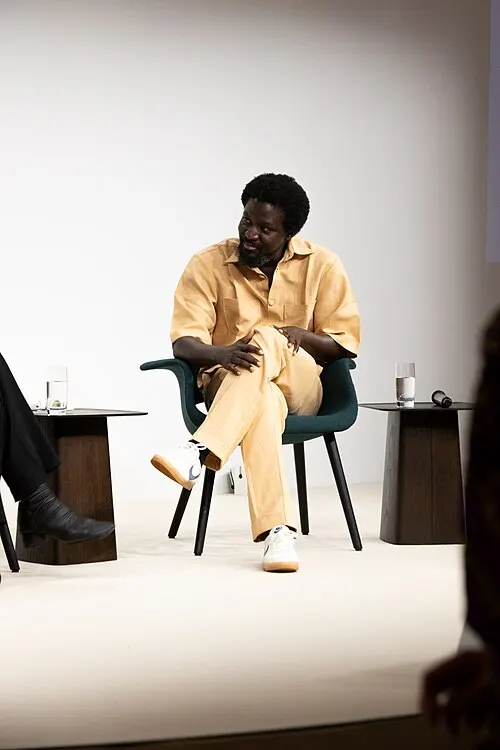
Artist
Ghana · 1987–
Ibrahim Mahama wraps buildings in stitched jute sacks that once carried Ghana's cocoa and charcoal, and has built art centres in his home city of Tamale.
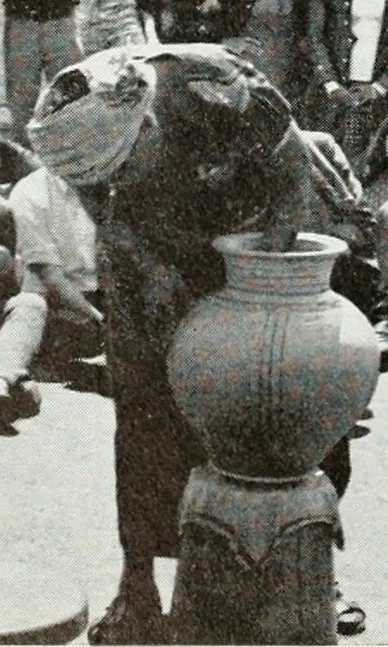
Potter
Nigeria · 1925–1984
Ladi Kwali, a Gbari potter from central Nigeria, became its most celebrated ceramicist at the Abuja Pottery Training Centre; she is on the 20 naira note.
Painter and musician
Nigeria · 1944–2011
Twins Seven-Seven, sole survivor of seven sets of twins, became the most famous painter of the Oshogbo school, filling his works with Yoruba spirits.
Artist
Nigeria · 1974–
Otobong Nkanga, a Nigerian-born artist in Antwerp, makes tapestries, installations and performances about land, mining, trade and the body.
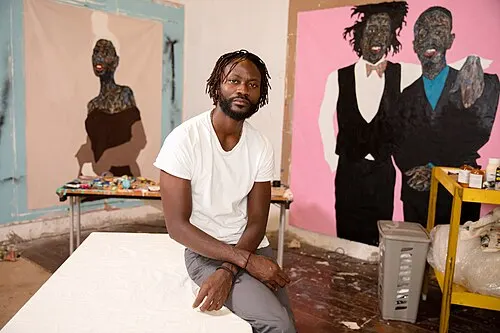
Painter
Ghana · 1984–
Amoako Boafo, the Vienna-based Ghanaian painter, models Black sitters' skin with his fingers. His rise set off an auction frenzy; he founded dot.ateliers.
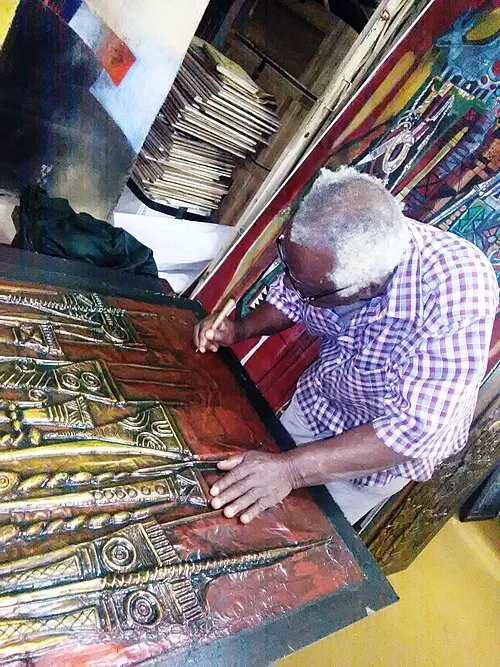
Printmaker and painter
Nigeria · 1932–
Bruce Onobrakpeya, of the Zaria Art Society, invented printmaking techniques drawing on Urhobo culture and founded the Harmattan Workshop in Agbarha-Otor.
Painter and teacher
Nigeria · 1933–2016
Uche Okeke, leader of the Zaria Art Society, formulated "natural synthesis" and revived Igbo uli drawing as a modern art at the University of Nigeria, Nsukka.
Painter
Nigeria · 1882–1963
Aina Onabolu, often called the father of modern Nigerian art, painted oil portraits in colonial Lagos to prove Africans could master any style.
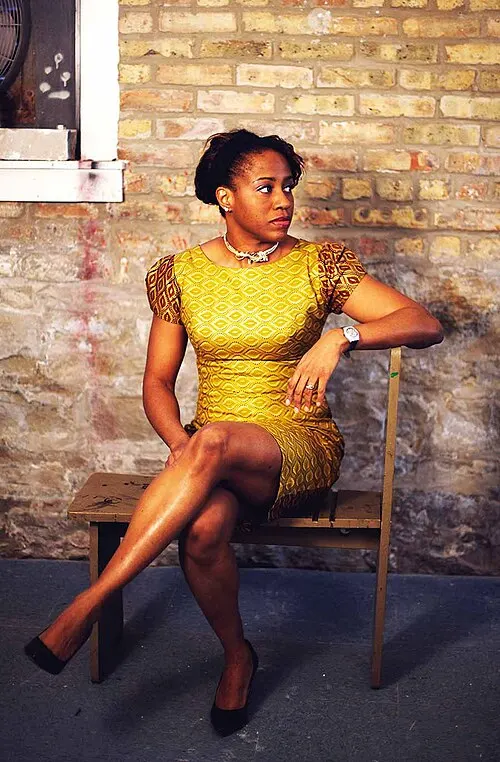
Sculptor
Nigeria · 1975–
Nnenna Okore, a Nigerian artist born in Australia and based in Chicago, twists, dyes and weaves burlap, paper and clay into sculptures of decay and renewal.
Painter and designer
Ghana · 1922–1964
Kofi Antubam, Kwame Nkrumah's state artist, designed the chair of state and other symbols of independent Ghana, and wrote Ghana's Heritage of Culture (1963).
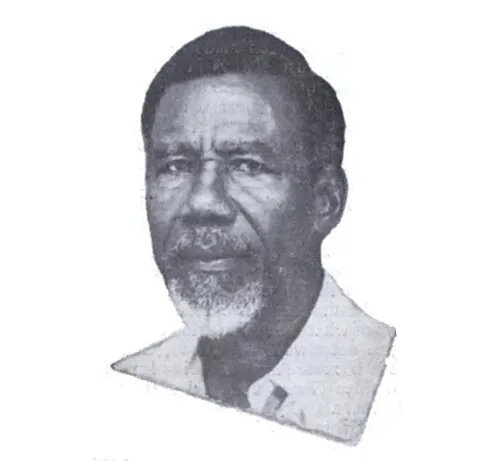
Painter, sculptor and designer
Ghana · 1915–2011
Amon Kotei, a Ghanaian painter, sculptor, surveyor and musician, designed the coat of arms of Ghana, approved in 1957. He died in 2011, aged 96.
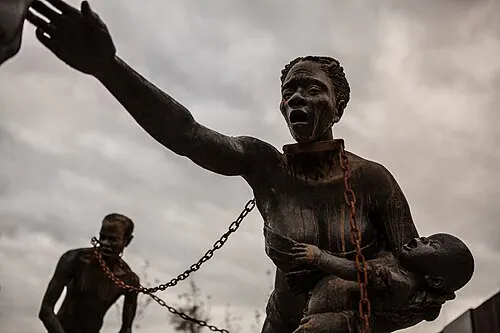
Sculptor
Ghana · 1983–
Kwame Akoto-Bamfo, a Ghanaian sculptor, made the chained figures at the entrance of the National Memorial for Peace and Justice in Montgomery, Alabama.
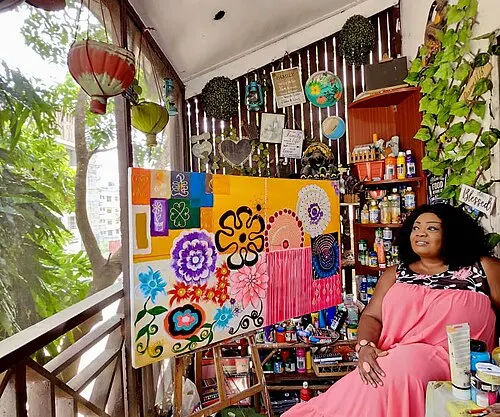
Painter and poet
Ghana · 1976–2026
Sharon Dede Padi (Padiki), a Ghanaian painter and poet, set the Guinness World Record for the largest leaf-print painting. She died in July 2026, aged 50.
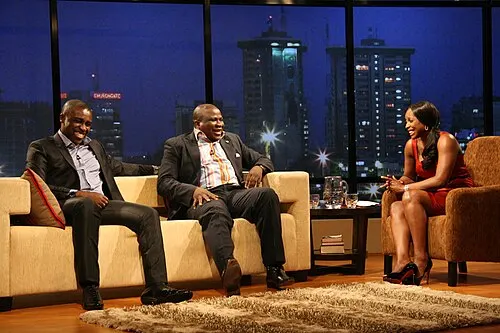
Television host and photographer
Nigeria · 1972–
Frank Edoho is best known as the host of Who Wants to Be a Millionaire? in Nigeria; he is also a photographer, filmmaker and voice-over artist.
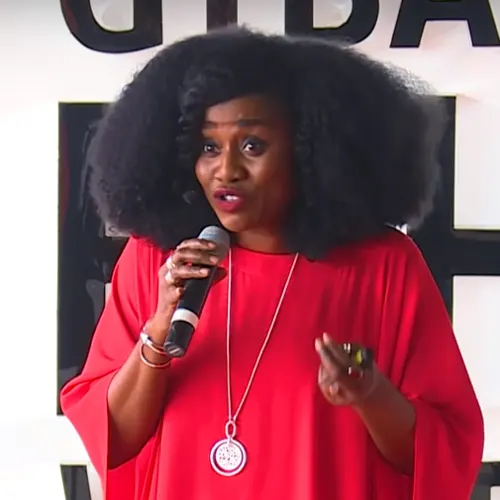
Photographer and singer
Nigeria · 1978–
TY Bello (Toyin Sokefun-Bello) is a leading Nigerian portrait photographer, official photographer to President Goodluck Jonathan, and a gospel singer.
Writer and photographer
Ghana · 1993–
Caleb Azumah Nelson, a British-Ghanaian writer and photographer, won the Costa First Novel Award for Open Water (2021), narrated by a south London photographer.
Poet and photographer
Nigeria · 1990–
Caleb Femi, London's first Young People's Laureate, combines poems and his own photographs in Poor (2021), a portrait of young Black men on a Peckham estate.
Painter
Morocco · 1929–2004
Chaïbia Talal, a widowed cleaner who began to paint after a dream in her thirties, became Morocco's most famous self-taught painter, shown in Paris from 1966.
Painter
Morocco · 1923–2018
Hassan El Glaoui, son of the last Pasha of Marrakech, became a painter with Winston Churchill's help and painted horses, riders and fantasia for seven decades.
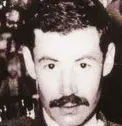
Painter
Algeria · 1928–1985
M'hamed Issiakhem lost an arm at fifteen and became a founder of modern Algerian painting, friend of Kateb Yacine and designer of banknotes and stamps.
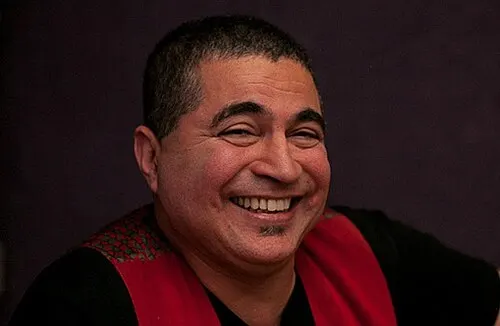
Painter, sculptor and novelist
Morocco · 1959–
Mahi Binebine, a former maths teacher from Marrakech, paints masked figures, sculpts in bronze and wrote the novel behind the film Horses of God.
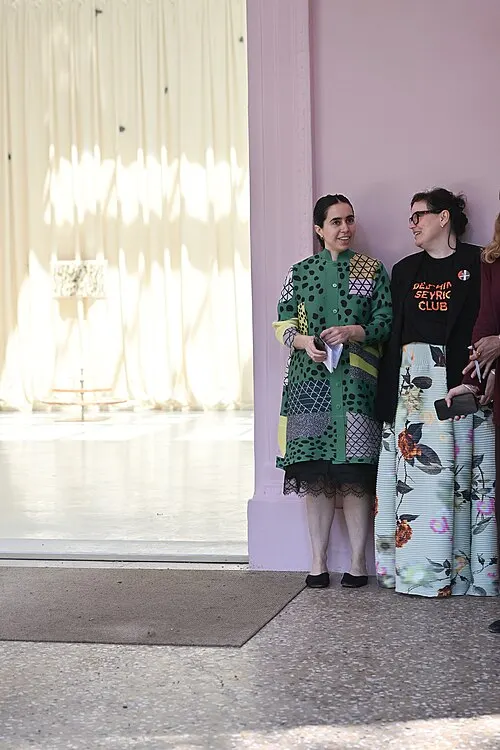
Artist and photographer
Morocco · 1971–
Yto Barrada photographed Tangier as a waiting room for Europe, founded the Cinémathèque de Tanger, and now works across film, sculpture and plant-dyed textiles.
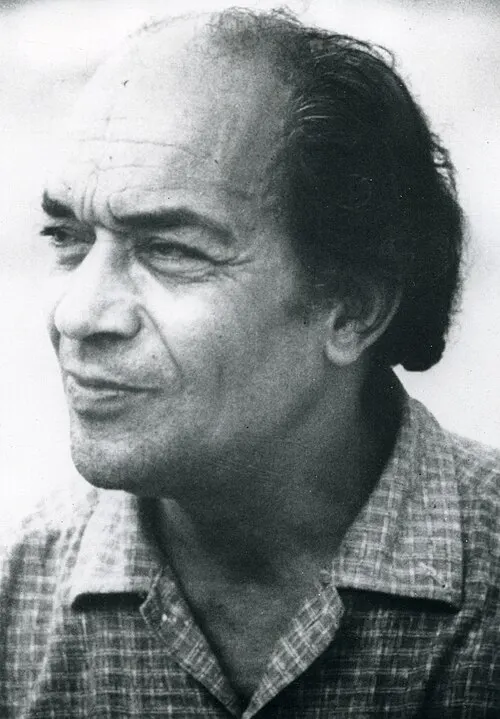
Painter
Algeria · 1930–1991
Mohammed Khadda, a printer's apprentice from Mostaganem, became a founder of modern Algerian painting, turning Arabic letters into a free abstract language.
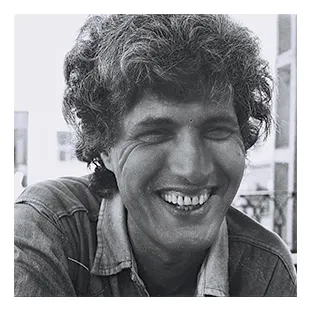
Painter
Morocco · 1941–2025
Mohamed Hamidi, a pioneer of the Casablanca School, taught at the city's art school and painted bold, sensual compositions of bodies and signs. He died in 2025.
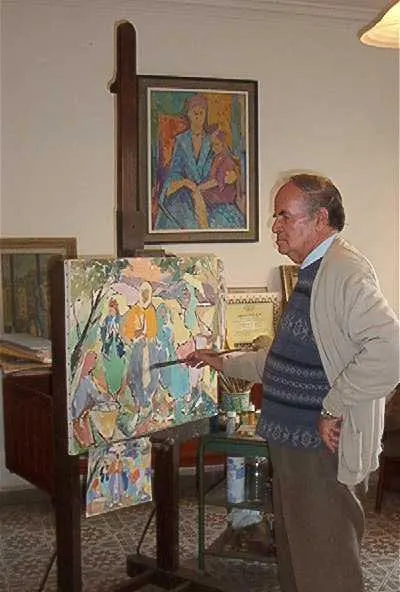
Painter
Algeria · 1921–2022
Bachir Yellès of Tlemcen, painter and stamp designer, ran the Algiers school of fine arts for two decades and died in 2022 at 100, the dean of Algerian artists.
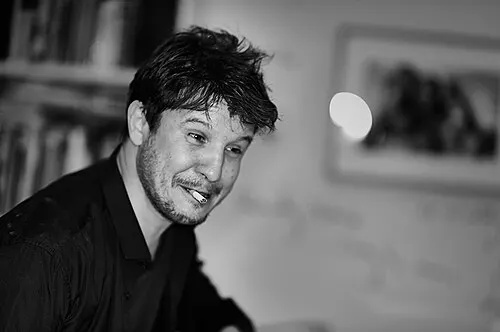
Artist
Algeria · 1971–
Adel Abdessemed, born in Constantine, left Algeria during the civil war and made provocative works such as Coup de tête, the giant bronze of Zidane's headbutt.
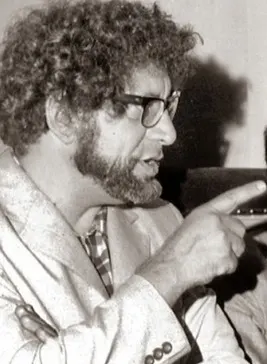
Painter and sculptor
Tunisia · 1924–2009
Zoubeir Turki, a member of the École de Tunis, drew the everyday life of Tunis and made the bronze statue of Ibn Khaldoun on Avenue Habib Bourguiba.
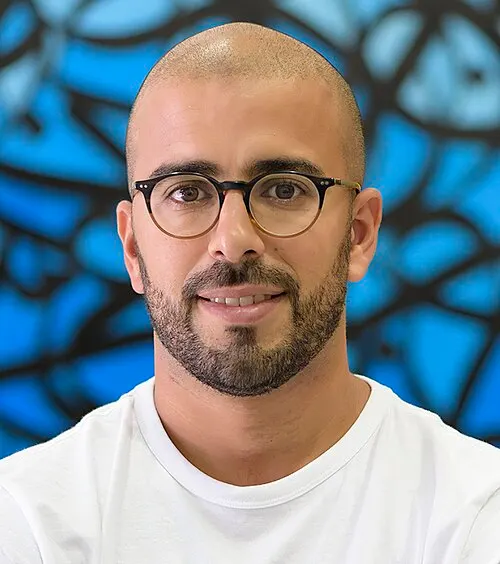
Calligraffiti artist
Tunisia · 1981–
eL Seed, a French-Tunisian artist, paints Arabic calligraphy on a monumental scale, from a mosque minaret in Gabès to Perception, across 50 buildings in Cairo.
Storyteller and painter
Morocco · 1936–
Mohamed Mrabet, a Tangier storyteller who never learned to read, dictated more than a dozen books to Paul Bowles and has drawn and painted since 1958.
Sculptor
Morocco · 1960–
Bruno Catalano, born in Morocco to a Sicilian family, makes life-size bronze travellers with whole parts of their bodies missing, shown in Marseille in 2013.
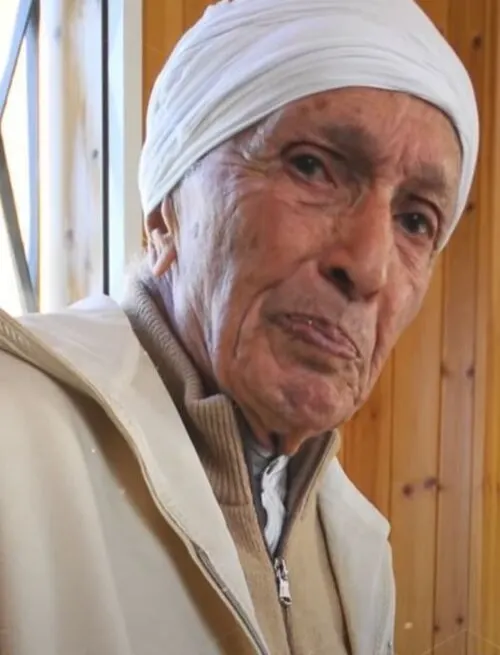
Politician, painter and poet
Morocco · 1921–2020
Mahjoubi Aherdane, founder of Morocco's Mouvement Populaire and a champion of Amazigh identity, painted dreamlike canvases and wrote poetry in French.
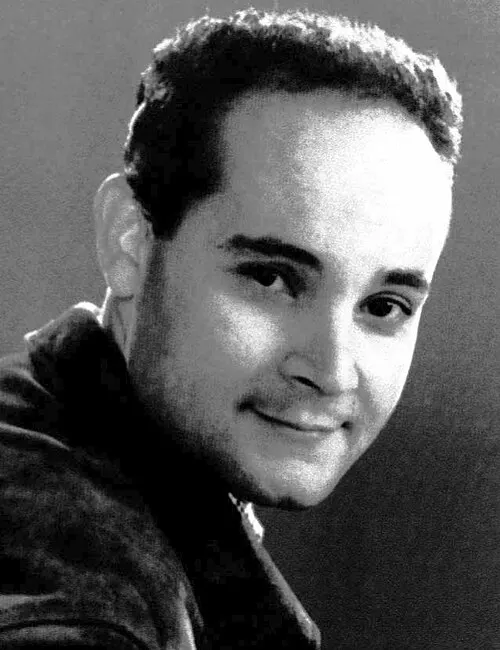
Singer, composer and painter
Algeria · 1934–2021
Rabah Driassa of Blida, the voice of Nedjma qotbiya and Hizia, was one of Algeria's most popular singers, and also a poet and painter. He died in 2021.
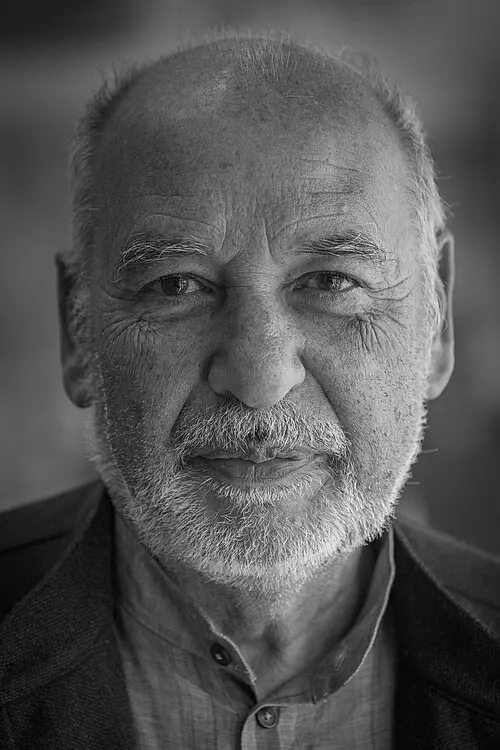
Writer and painter
Morocco · 1944–
Tahar Ben Jelloun, the Moroccan novelist who won the 1987 Prix Goncourt, has painted for decades, shown at the Institut du monde arabe and in Rabat.
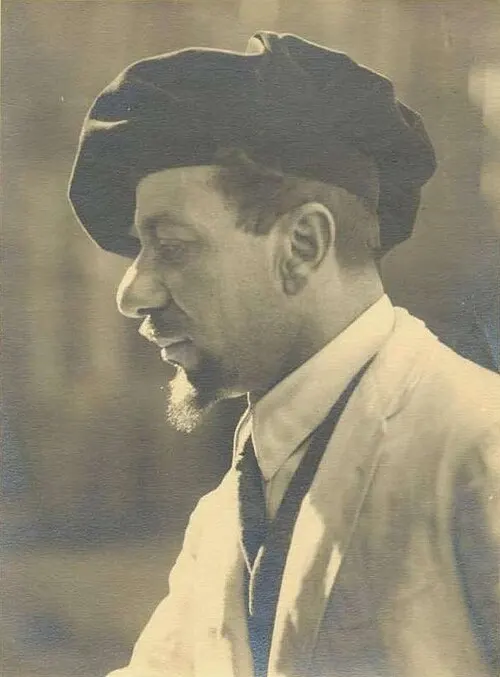
Sculptor
Egypt · 1891–1934
Mahmoud Mokhtar, a village boy from the Nile Delta, became the father of modern Egyptian sculpture; his Egypt's Awakening became a national monument in 1928.
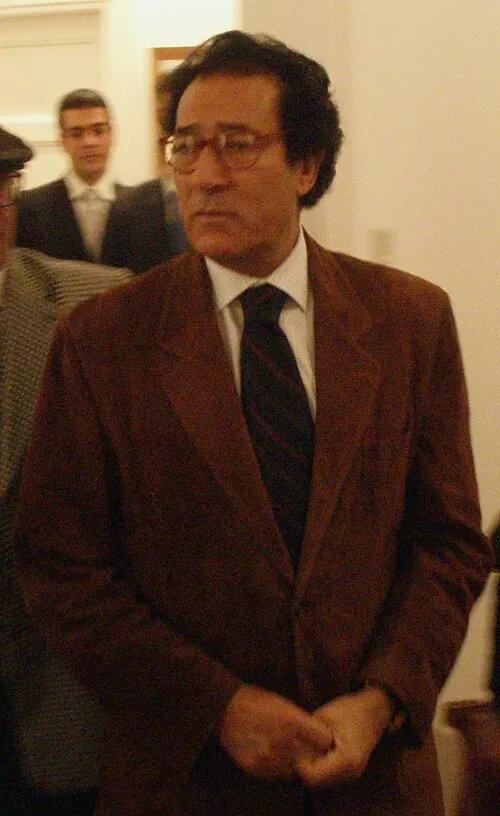
Painter and minister
Egypt · 1938–
Farouk Hosny, an abstract painter from Alexandria, was Egypt's Minister of Culture from 1987 to 2011 and narrowly lost the race to lead UNESCO in 2009.
Sculptor and painter
Egypt · 1929–2020
Adam Henein carved calm, timeless figures in granite and bronze, led the design team restoring the Great Sphinx and founded the Aswan sculpture symposium.
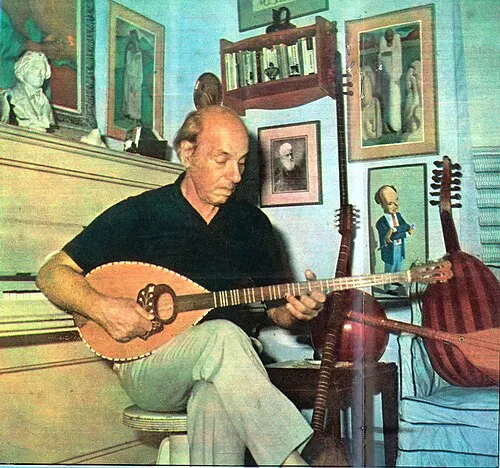
Painter and illustrator
Egypt · 1913–2002
Hussein Bicar painted luminous portraits and scenes of Nubia and the Egyptian countryside, and drew for Akhbar el-Yom and the children's magazine Sindbad.
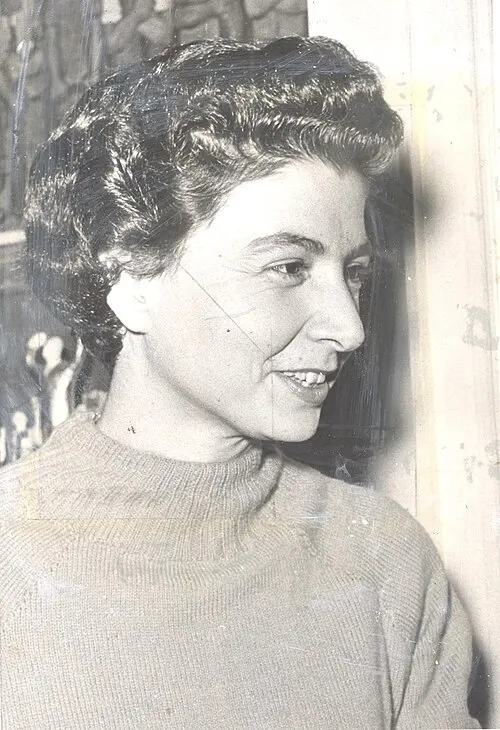
Painter and activist
Egypt · 1924–1989
Inji Aflatoun (Efflatoun), surrealist, communist and feminist, was jailed from 1959 to 1963 and painted the women imprisoned with her: her best-known works.
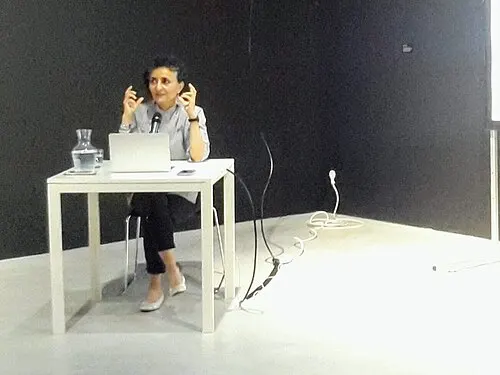
Artist
Egypt · 1963–
Ghada Amer, born in Cairo, stitches images of women and words into her paintings, turning a craft taught to women into a language of desire and freedom.
Painter
Egypt · 1905–1994
Effat Nagy, sister of the pioneer Mohamed Naghi, made paintings and assemblages from Egyptian folk magic, amulets and painted wood; a Cairo museum shows them.
Artist and filmmaker
Egypt · 1971–
Wael Shawky retold the Crusades from an Arab viewpoint with marionettes in Cabaret Crusades and made Drama 1882 for Egypt at the 2024 Venice Biennale.
Artist
Egypt · 1946–
Anna Boghiguian, an Armenian-Egyptian artist born in Cairo in 1946, makes drawings, paintings and sprawling installations about cities, trade and history.
Painter, filmmaker and poet
Sudan · 1934–2005
Hussein Shariffe, a pioneer of Sudanese modern art linked to the Khartoum School, showed in London in 1957, taught, made films and died in exile in 2005.
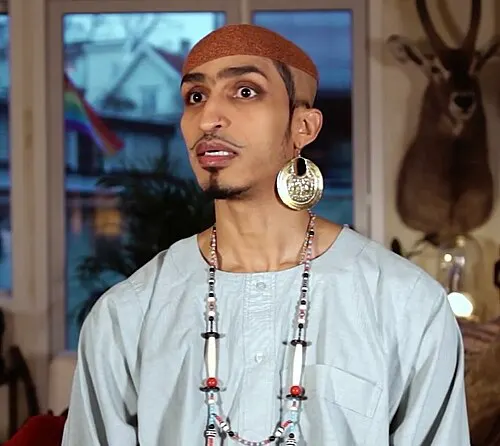
Artist
Sudan · 1988–
Ahmed Umar, who came to Norway from Sudan as a refugee in 2008, uses ceramics, textiles, jewellery and performance to tell stories of queer Sudanese lives.
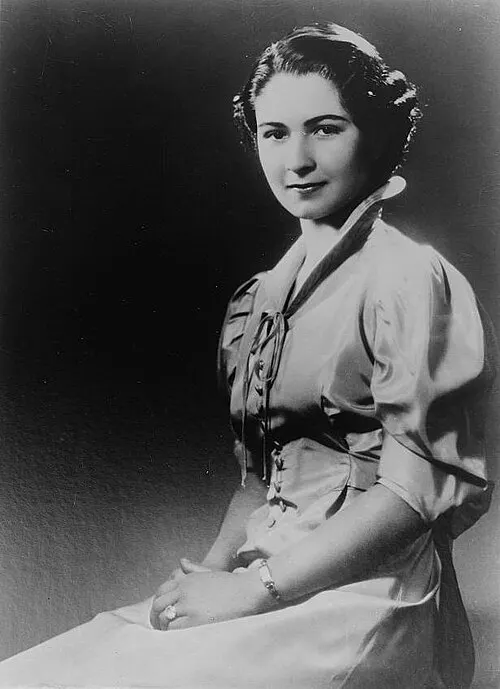
Queen and painter
Egypt · 1921–1988
Queen Farida, King Farouk's first wife, became a painter after her divorce, encouraged by her uncle Mahmoud Saïd. She exhibited widely; Mathaf holds her work.
Ceramic artist
Kenya · 1950–
Magdalene Odundo, born in Nairobi in 1950, builds burnished vessels by hand whose swelling forms recall the human body. She was made a Dame in 2020.
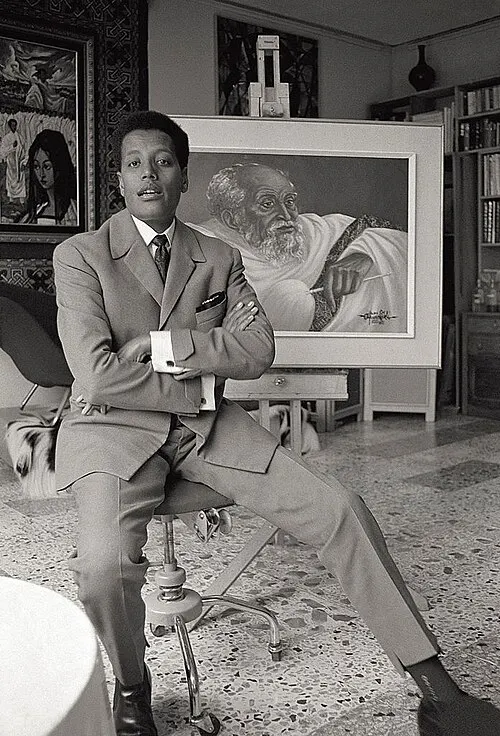
Painter and stained-glass artist
Ethiopia · 1932–2012
Afewerk Tekle, Ethiopia's most famous painter, made the vast stained-glass windows of Africa Hall in Addis Ababa and painted his country's history and people.
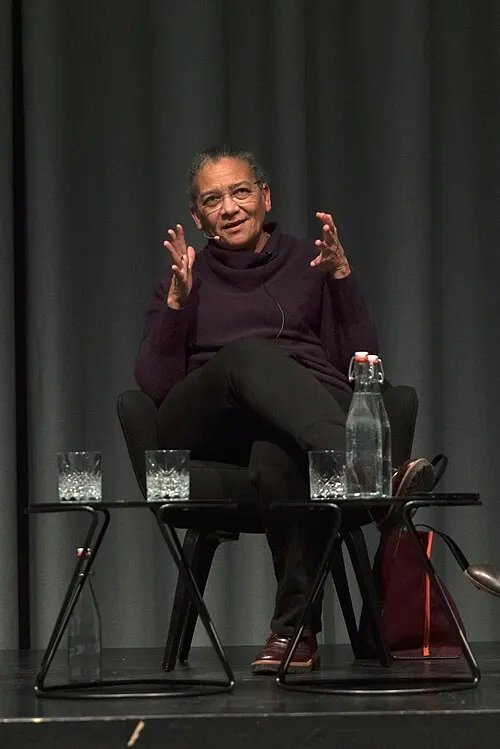
Painter and artist
Tanzania · 1954–
Lubaina Himid, born in Zanzibar in 1954, became the first Black woman to win the Turner Prize in 2017. She represents Britain at the 2026 Venice Biennale.
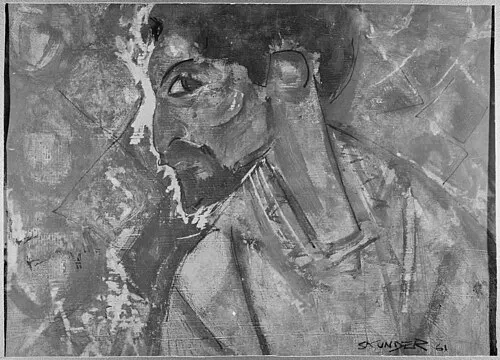
Painter
Ethiopia · 1937–2003
Skunder Boghossian blended Ethiopian scrolls and icons with surrealism in Paris, was the first contemporary African artist bought by MoMA, and taught at Howard.
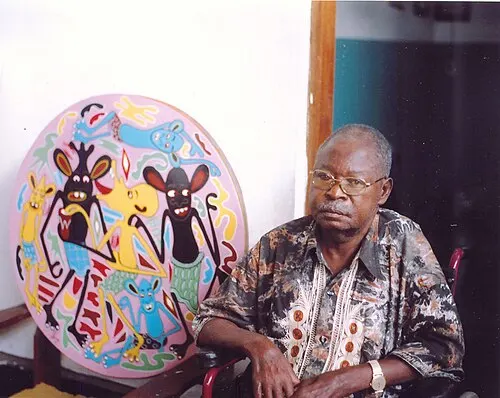
Painter and sculptor
Tanzania · 1934–2005
George Lilanga turned the shetani spirits of Makonde carving into joyful paintings of long-eared dancing figures, and became East Africa's best-known artist.
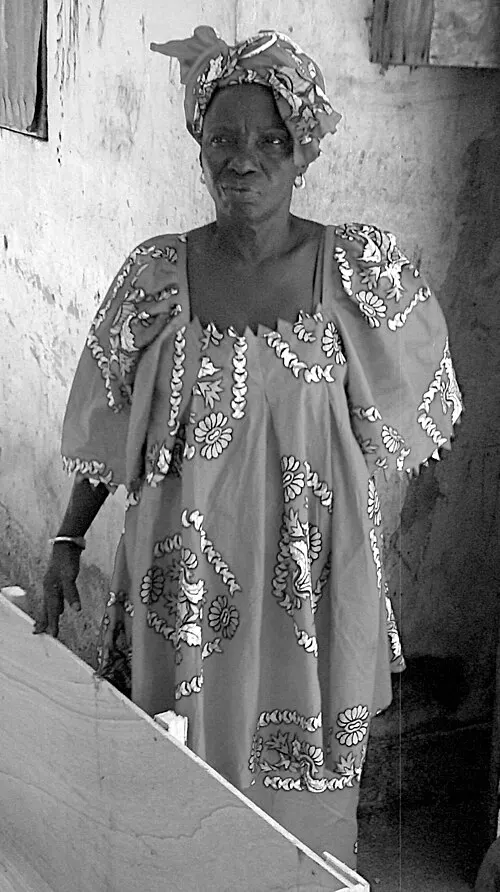
Sculptor
Senegal · 1945–2026
Seyni Awa Camara of Bignona, Casamance, modelled clay mothers, twins and many-headed spirits, shown at Magiciens de la Terre in 1989. She died in 2026.
Painter
DR Congo · 1955–2025
Chéri Chérin, one of the founders of Kinshasa's popular painting, painted the city's politics, scandals and dreams with biting humour. He died in October 2025.
Painter
Cameroon · 1953–2005
Nzante Spee painted dreamlike, crowded scenes mixing cubism, surrealism and caricature, and founded a Bamenda art centre that trained a generation of painters.
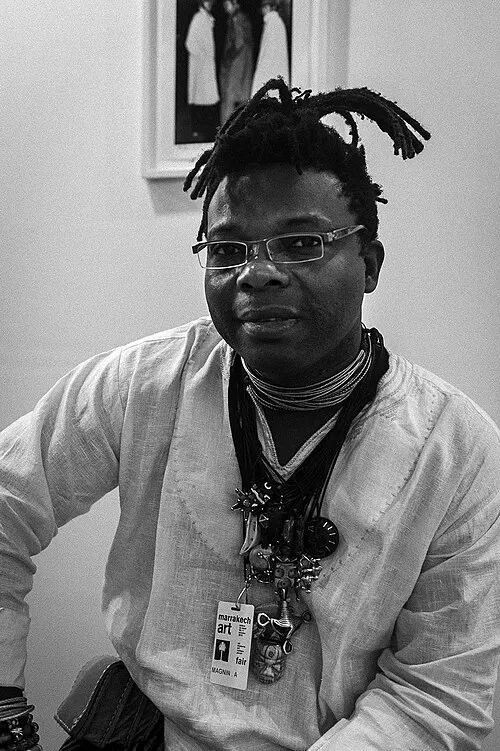
Artist
Benin · 1962–
Romuald Hazoumè of Porto-Novo turns plastic petrol cans into masks and built La Bouche du Roi, a slave ship of 304 masks now owned by the British Museum.
Mahmoud Mokhtar (Egypt, 1891–1934) made Egypt's Awakening, a monumental sculpture in Cairo that became a national emblem of the 1920s.
Gerard Sekoto (South Africa, 1913–1993) painted township life, left for Paris in 1947 and became a founding figure of Black South African modernism.
Inji Efflatoun (Egypt, 1924–1989) painted her fellow prisoners from her own cell, joining art, politics and feminism. See African women artists.
Chaïbia Talal (Morocco, 1929–2004) was a self-taught painter of vivid, spontaneous canvases who belonged to no school, a contrast with the Casablanca School around her.
Mohamed Melehi (Morocco) helped found the Casablanca School with Farid Belkahia, and is known for bold, rhythmic wave patterns in strong colour.
Uche Okeke (Nigeria) helped shape the Zaria Art Society and its idea of "natural synthesis", the argument that modern Nigerian art should draw on its own traditions.
Bruce Onobrakpeya (Nigeria) is a printmaker and painter, also linked to the Zaria Art Society, whose work draws on the textures and stories of Nigeria's many peoples.
Bodys Isek Kingelez (DR Congo, 1948–2015) built fantastical model cities from paper, cardboard and found materials, imagining a Kinshasa of the future.
Romuald Hazoumè (Benin) makes masks from discarded petrol cans, many of them referring to fuel smuggling and to the Atlantic slave trade. See African masks.
Yinka Shonibare MBE (Nigeria and UK) uses Dutch wax print, a fabric sold across Africa as "African" but made in Europe, to dress headless figures in Victorian costume.
Serge Attukwei Clottey (Ghana) turns yellow plastic jerrycans into woven wall pieces and sculptures, a practice he calls Afrogallonism.
Ibrahim Mahama (Ghana) wraps buildings, monuments and railway wagons in jute sacks, tracing the trade that moves through them. See African textiles.
Gonçalo Mabunda (Mozambique) makes thrones, masks and sculptures from decommissioned weapons left over from the civil war. See African sculpture.
Nicholas Hlobo (South Africa) stitches rubber inner tubes and laces them with ribbon, drawing on Xhosa ceremony and on questions of identity.
Meschac Gaba (Benin) is best known for his Museum of Contemporary African Art, an installation of rooms built from cloth, games and everyday objects.
Abdoulaye Konaté (Mali) makes large textile works woven from strips of cloth, often addressing social and political questions. See African textiles.
Barthélémy Toguo (Cameroon) makes installations, drawings and prints about migration, globalisation and the body, working between Cameroon and Europe.
William Kentridge (South Africa) draws in charcoal, erases and redraws each image, and films the results, from Felix in Exile onward. See contemporary African art.
Marlene Dumas (South Africa, based in Amsterdam) paints portraits from photographs, with a haunting, unfinished intimacy.
Julie Mehretu (Ethiopia, based in the United States) builds large, layered drawings and paintings of cities, maps and architecture.
Michael Armitage (Kenya) paints large canvases that layer Kenyan folklore, history and colonial-era imagery.
Amoako Boafo (Ghana) paints portraits of friends and strangers in bold colour and expressive, sculptural brushwork.
Samuel Fosso (Cameroon) makes staged self-portraits in costume that play with identity, fashion and stereotype. See African photography.
Lalla Essaydi (Morocco) photographs women in embroidered fabric covered in henna calligraphy, challenging stereotypes of Arab women.
Hassan Hajjaj (Morocco and UK) frames colourful portraits with Moroccan fabrics, tins and everyday objects, linking Marrakech and London.
Youssef Nabil (Egypt) hand-tints photographic portraits in the manner of early cinema and studio portraiture.
Sammy Baloji (DR Congo) makes photographs and films about Katanga's mining history and colonial archives. See African photography.
Zanele Muholi (South Africa) is a visual activist whose portraits of Black LGBTQIA+ South Africans, in series such as Faces and Phases, have reached museums worldwide.