Art form
African masks
What African masks are for, how they are used in masquerade, and the best-known types, from Dogon, Bamana, Dan and Baule to Gelede, Punu, Chokwe and Kuba.
The domain AfricanArtists.com is for sale.Make an offer
A guide to the art of Africa in five languages: masks, sculpture, textiles and rock art, profiles of modern and contemporary artists from across the continent, the art movements of the twentieth century, and music from highlife to amapiano.
Some of the artists profiled on this site.
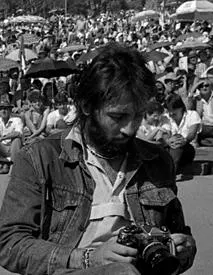
South Africa · 1960–1994
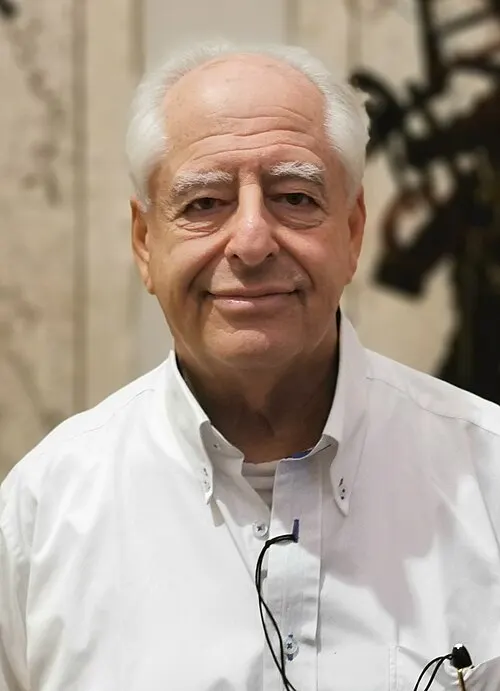
South Africa · 1955–
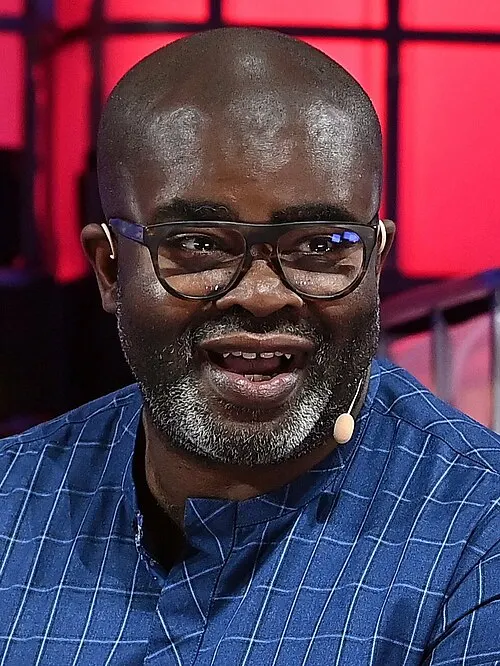
Nigeria · 1977–
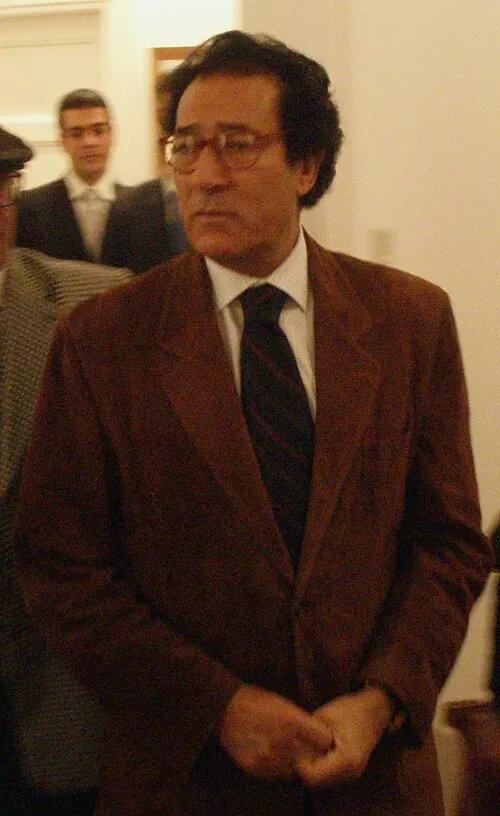
Egypt · 1938–
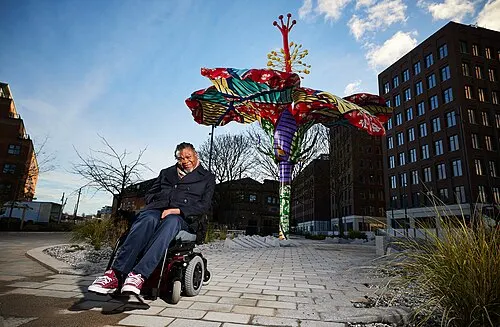
Nigeria · 1962–
Nigeria · 1983–
South Africa · 1972–
South Africa · 1953–
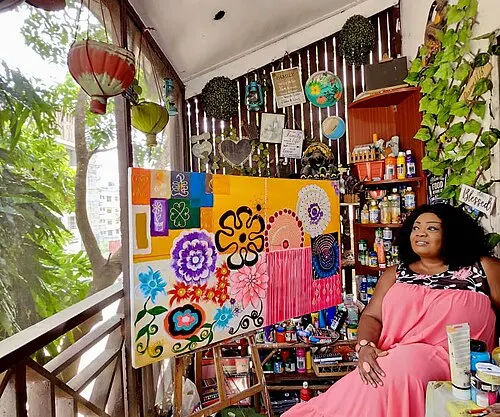
Ghana · 1976–2026
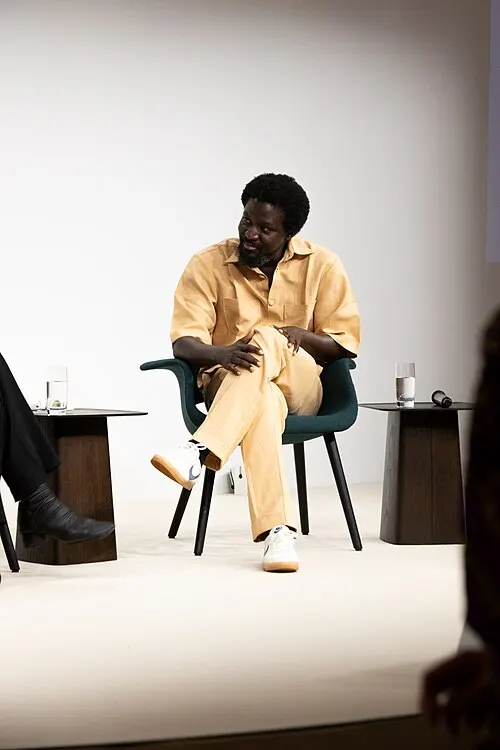
Ghana · 1987–
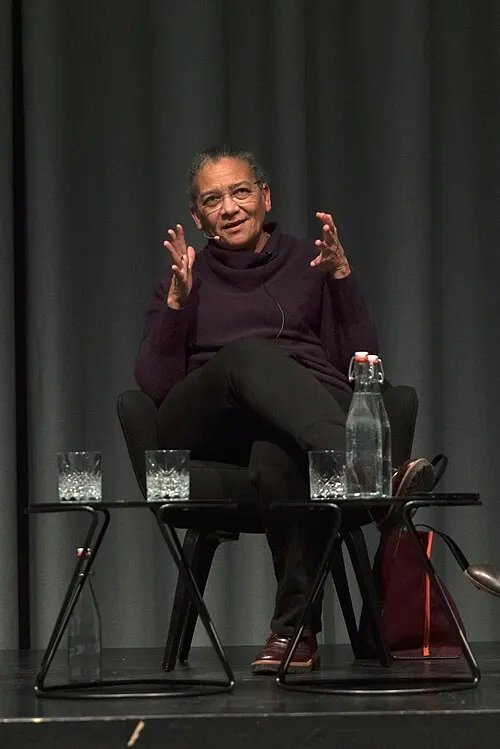
Tanzania · 1954–
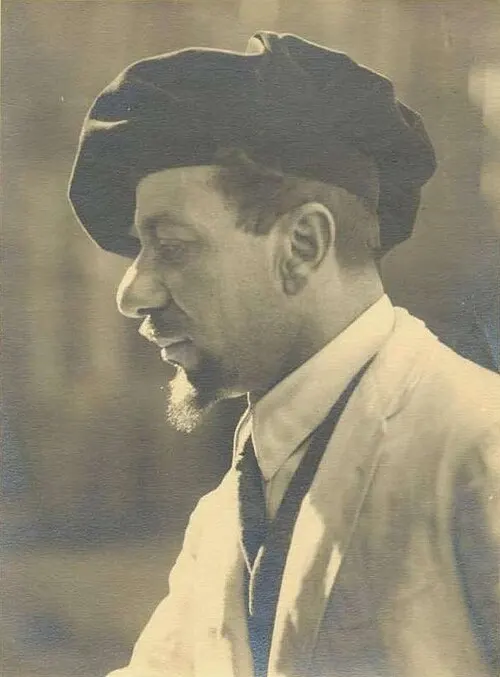
Egypt · 1891–1934
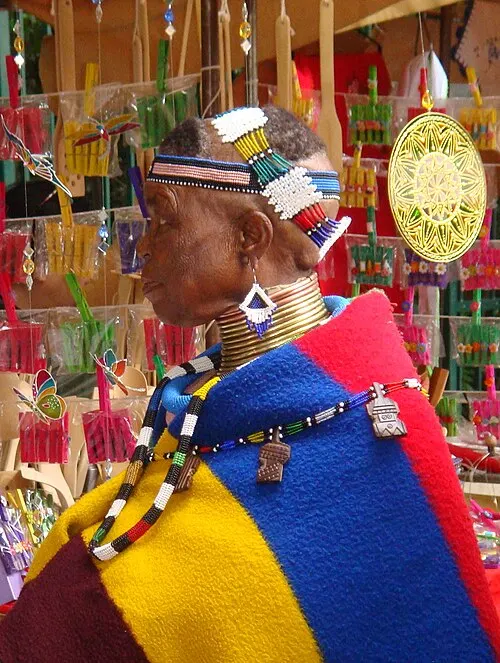
South Africa · 1935–
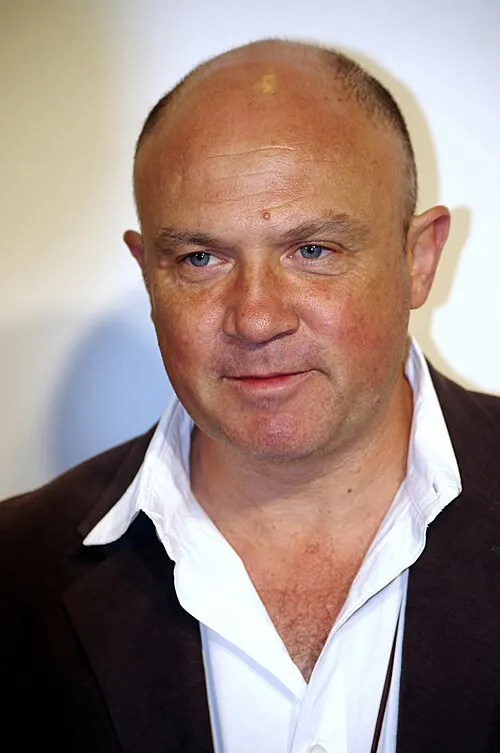
South Africa · 1962–
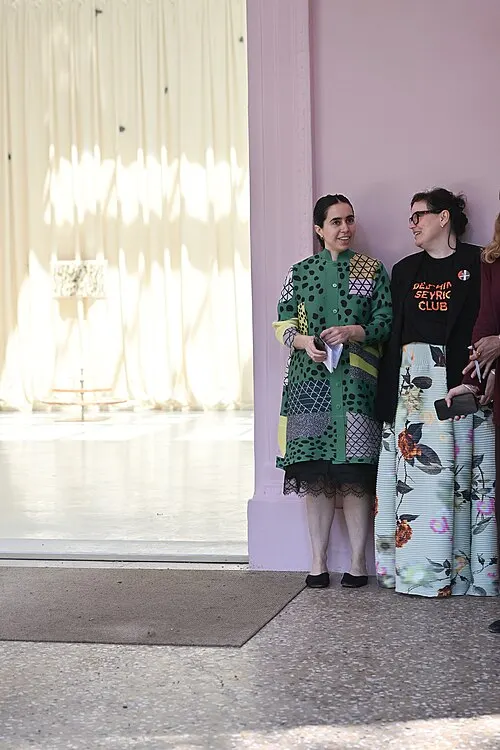
Morocco · 1971–
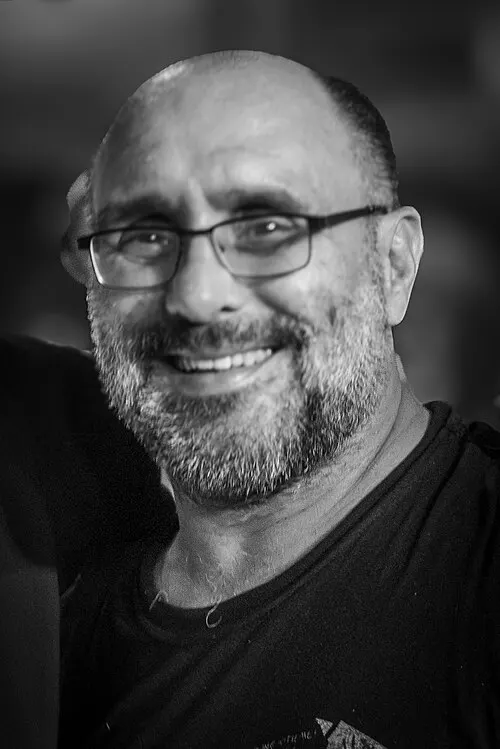
South Africa · 1966–
South Africa · 1950–
Nigeria · 1925–1984
Nigeria · 1917–1994
Egypt · 1897–1964
Algeria · 1928–1985
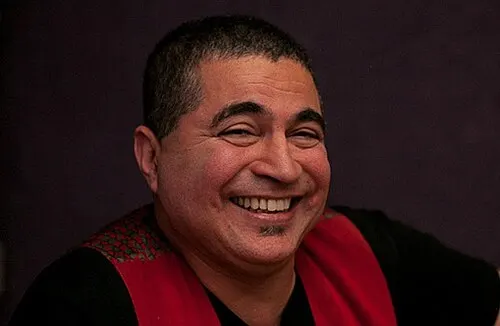
Morocco · 1959–
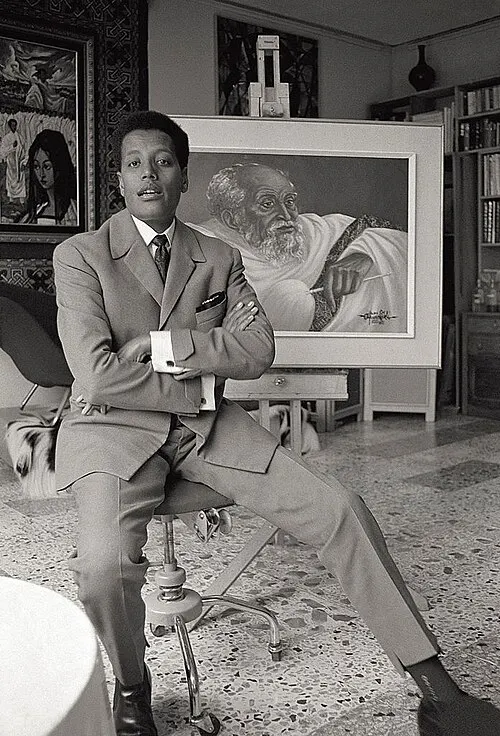
Ethiopia · 1932–2012
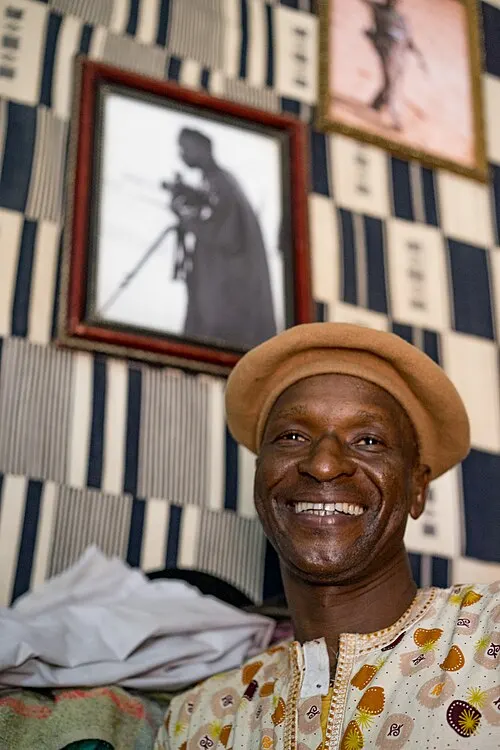
Mali · 1935–2016
Art form
What African masks are for, how they are used in masquerade, and the best-known types, from Dogon, Bamana, Dan and Baule to Gelede, Punu, Chokwe and Kuba.
Textile tradition
Ghana
Kente is the strip-woven cloth of Ghana's Asante and Ewe weavers. How it is made, what its colours and pattern names mean, and its UNESCO recognition in 2024.
Court art
Nigeria
The Benin Bronzes: thousands of brass, bronze and ivory works from the Kingdom of Benin in Nigeria, looted by British troops in 1897. Their history and return.
Textile tradition
Mali
Bogolan, or mudcloth, is Mali's handmade cotton, dyed with leaves and painted with fermented mud. How it is made, what it meant, and how to spot the real thing.
Art form
Africa holds some of the oldest rock art on Earth: the Blombos drawing, Apollo 11 Cave, Tassili n'Ajjer, San paintings, Twyfelfontein and Laas Geel.
Visual tradition
Ghana
Adinkra are Akan symbols from Ghana, each tied to a proverb: Gye Nyame, Sankofa, Dwennimmen and more. What 20 common symbols mean and how adinkra cloth is made.
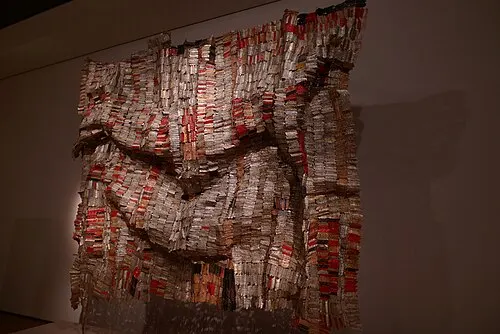
Sculptor
Ghana · Nigeria · 1944–
Ghanaian sculptor El Anatsui turns thousands of flattened bottle caps into shimmering metal "cloths". His life, his materials and where to see the work.
Painter
Sudan · 1930–
Ibrahim El-Salahi fused Arabic calligraphy and African forms in the Khartoum School, drew his Prison Notebook in 1975–76 and had a Tate Modern retrospective.
Painter
DR Congo · 1956–
Chéri Samba started as a sign painter in Kinshasa and became one of Africa's best-known artists, with comic-strip paintings full of text, humour and politics.
Photographer
Mali · 1935–2016
Malick Sidibé photographed the parties, fashion and freedom of 1960s Bamako. The first photographer to win a Golden Lion for Lifetime Achievement (2007).
Painter
South Africa · 1935–
Esther Mahlangu took Ndebele wall painting from her village to Paris, a BMW Art Car and the world's museums. Her life, her technique and her legacy.
Painter
Morocco · 1934–2014
Farid Belkahia (1934–2014) led the Casablanca art school, painted with henna on stretched leather and helped give Moroccan modern art its own materials.
A two-word .com that names a whole creative category — the artists and musicians of Africa and its diaspora. Ready for a gallery, a label, a marketplace or a foundation.
See the details and make an offerThe art of North Africa: Saharan rock art, ancient Egypt and Nubia, Islamic calligraphy, Amazigh carpets and jewellery, and modern painters.
The art of West Africa: Nok terracottas, Ife and Benin bronzes, Dogon, Dan and Yoruba masks, kente and mudcloth, Sahel architecture and studio photography.
The art of Central Africa: Kongo power figures, Kuba raffia cloth and masks, Luba stools, Fang and Kota reliquaries, Chokwe masks and Kinshasa painters.
The art of East Africa: Ethiopian icons and rock churches, Swahili doors, Maasai beadwork, Makonde carving, Tingatinga painting and Nairobi's artists.
The art of Southern Africa: San rock paintings, Mapungubwe's gold, Great Zimbabwe's birds, Ndebele painting, Zimbabwean stone sculpture and today's artists.
National museum
Nigeria · 1957
The National Museum in Lagos, opened in 1957: Nok terracottas, Ife heads, Benin bronzes and Ben Enwonwu's Anyanwu at the entrance. History and visit.
National museum
Nigeria · 1973
The national museum on King's Square in Benin City, opened in 1973: bronzes, terracottas and cast iron of the Kingdom of Benin, and the return of looted works.
National museum
Ghana · 1957
Ghana's National Museum in Accra opened the day before independence in 1957. Its domed building, its collections, and its reopening in 2022.
National museum
Ethiopia · 1958
The National Museum of Ethiopia in Addis Ababa: Lucy and Selam, archaeology from Aksum, and Ethiopian painting from early parchment to Afewerk Tekle.
National museum
Mali · 1953
The National Museum of Mali in Bamako, founded in 1953: archaeology, ritual art and textiles, a home of the Bamako photography biennale, and a park beside it.
Museum of African art
Senegal · 1936
Dakar's IFAN museum, now named after Théodore Monod: about 10,000 masks, figures, textiles and objects from West Africa, on Place Soweto. History and visit.
Art movement
Nigeria · 1958–1962
In 1958 art students in Zaria rebelled against a colonial curriculum and founded the Zaria Art Society. How "natural synthesis" shaped modern Nigerian art.
Art movement
Sudan · 1960–1975
Founded around 1960 by Ibrahim El-Salahi, Ahmed Shibrain and Kamala Ibrahim Ishaq, the Khartoum School merged Arabic calligraphy with African forms.
Art movement
Morocco · 1962–1974
From 1962 Farid Belkahia, Mohamed Melehi and Mohamed Chabâa turned Casablanca's art school into a lab for modern art built from Moroccan crafts and signs.
Music genre
Nigeria · 1970s–
Afrobeat is the long, political, horn-driven music Fela Kuti and Tony Allen created in 1970s Lagos. Its sound, its history and how it differs from Afrobeats.
Music genre
South Africa · 2012–
Amapiano grew out of South Africa's townships around 2012: deep house, jazzy piano and the booming log drum. Its origins, its stars and its global spread.
Music genre
DR Congo · Republic of the Congo · 1940s–
Born in 1940s Kinshasa and Brazzaville, Congolese rumba gave Africa Franco, Tabu Ley and Papa Wemba. UNESCO inscribed it as world heritage in 2021.
Music genre
Algeria · 1920s–
Raï began as rural song around Oran, became the pop of Cheb Khaled and Cheb Mami, and was inscribed by UNESCO as Algeria's popular folk song in 2022.
Music genre
Cabo Verde · 19th c.–
Morna is Cabo Verde's slow, melancholy song of sodade, made famous by Cesária Évora. Its poets, instruments and UNESCO recognition in 2019.
Music genre
Ghana · Nigeria · 1920s–
Highlife grew from Ghana's dance bands and palm-wine guitarists into West Africa's first great pop music. E.T. Mensah, its styles, and its children.
Guide
African art from the 73,000-year-old Blombos drawing to Nok, Ife and Benin, masks and textiles, modernist schools and today's artists: a short, linked history.
Guide
What contemporary African art is, the exhibitions and curators that put it on the world stage, the artists to know, and the museums and fairs that show it.
Guide
Fourteen women artists from Africa who shaped modern and contemporary art, from Baya, Ladi Kwali and Inji Efflatoun to Wangechi Mutu and Zanele Muholi.
Guide
A practical guide to buying African art: contemporary versus historical works, where to buy, documents to ask for, how fakes work and export rules.
Guide
The main fairs and biennales for contemporary African art: Dak'Art, the Rencontres de Bamako, 1-54, Investec Cape Town Art Fair, FNB Art Joburg and ART X Lagos.
Guide
Museums for modern, contemporary and historical African art — from Zeitz MOCAA and the Museum of Black Civilisations to the Smithsonian and Tervuren.
Guide
South Africa · 1990–1994
The Bang-Bang Club, Kevin Carter, Ken Oosterbroek, Greg Marinovich and João Silva, photographed South Africa's township war of 1990–94. Their story, its cost.