Painter · Egypt
Effat Nagy
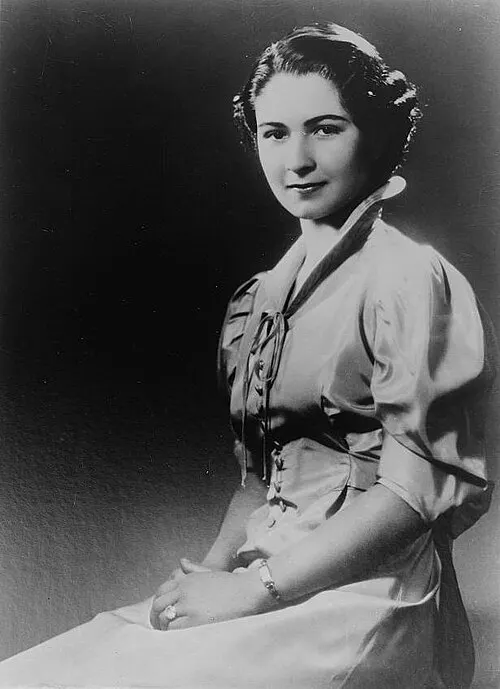
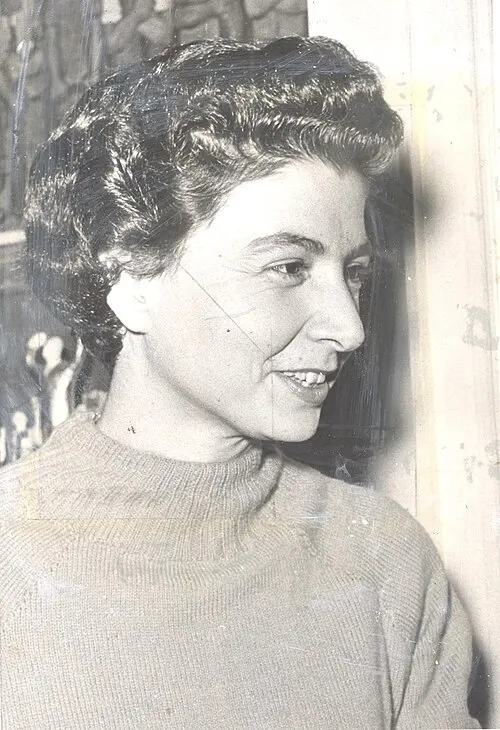
Effat Nagy (1905–1994), also spelled Naghi, was an Egyptian painter from Alexandria and one of the first Egyptian women artists to gain recognition. The sister of the pioneer painter Mohamed Naghi, she developed with her husband, the folklorist and artist Saad El-Khadem, an art drawn from Egyptian folk beliefs, magic and amulets, including mixed-media assemblages. The Museum of Saad El-Khadem and Effat Nagy in Cairo holds their work.
Updated 2 min read
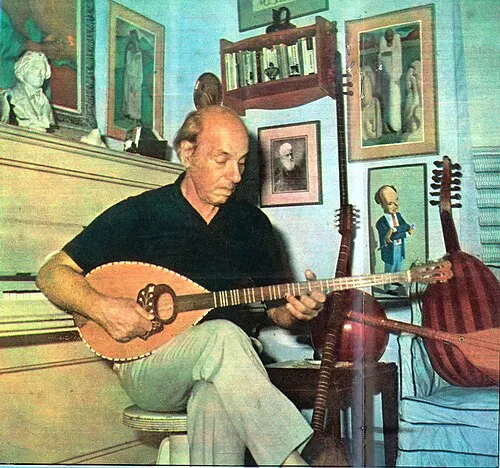
Effat Nagy was born in Alexandria in 1905 into a cultivated family; her elder brother Mohamed Naghi (1888–1956), some twenty years her senior, a painter, lawyer and diplomat, was one of the founders of modern Egyptian painting. In 1945 she married the researcher, writer and painter Saad El-Khadem. In 1947, when her brother was appointed head of the Egyptian Academy in Rome, she began formal training there, studying fresco and sculpture for three years at the Accademia di Belle Arti with Ferruccio Ferrazzi. In 1949, in Paris, she met the French Cubist painter André Lhote, and from then she moved away from traditional academic painting.
Her early work was figurative, but her style evolved from classical subjects towards distinctive geometric compositions, much influenced by Pharaonic heritage, Egyptian folk traditions and the occult sciences. With her husband, an artist and researcher of Egyptian folk traditions, she studied popular beliefs, magic and the objects of everyday religion: amulets, talismans, ancient Egyptian and Coptic symbols. Her paintings turned these into dense, mysterious compositions full of signs and figures, and she began to make assemblages that included pieces of antique painted wood and real amulets.
How to look at an Effat Nagy: read the geometry first. The figures are broken into flat shapes and the composition is divided into zones, so the picture reads like a diagram or a charm; then look at the signs inside each zone and ask which belong to which tradition. That reading is this site's own.
She exhibited in Egypt and abroad, and Mathaf in Doha and the Dalloul Art Foundation (Dafbeirut) list her work. She died on 3 October 1994 in Alexandria. She left her house to the Egyptian government, and it became the Museum of Saad El-Khadem and Effat Nagy, which holds 24 of her paintings and 34 by her husband.
Where to see the work
The Museum of Saad El-Khadem and Effat Nagy is the first place to go; we could not confirm its address or opening hours, so check before you travel. Mathaf's encyclopedia entry and the Dafbeirut collection pages show further works. See the painters Inji Aflatoun and Hussein Bicar, African women artists, and our lists of Egyptian painters and Egyptian artists.