Guide · South Africa
The Bang-Bang Club
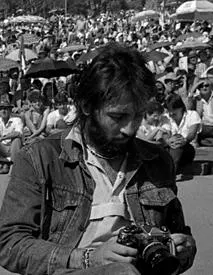
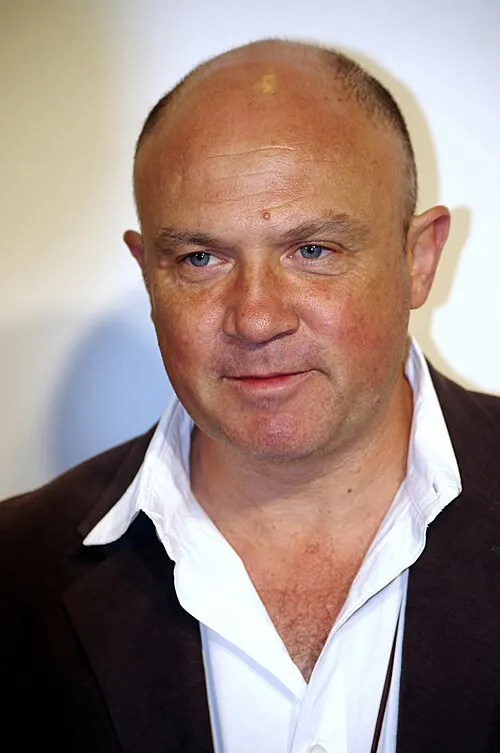
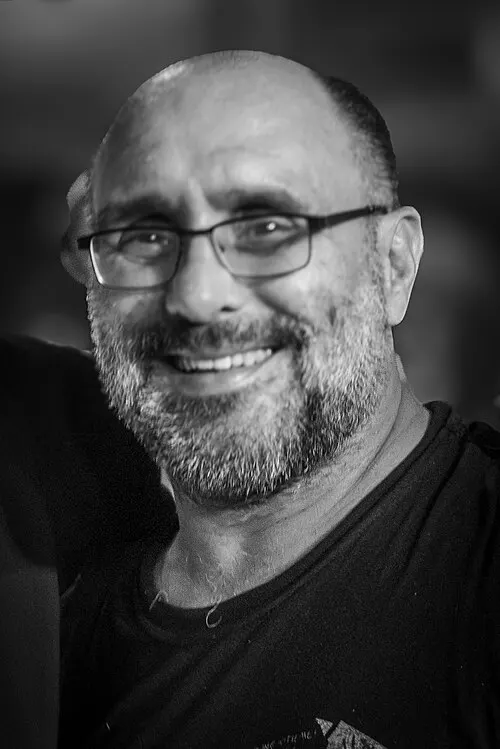
The Bang-Bang Club was the nickname of four young South African photographers — Kevin Carter, Ken Oosterbroek, Greg Marinovich and João Silva — who covered the violence in the country's townships between Nelson Mandela's release in 1990 and the first democratic election in 1994. Two of them won Pulitzer Prizes; by the end of 1994 two of them were dead. Their story raises questions about photography and violence that are still debated.
Published 3 min read
A war before the election
When Nelson Mandela walked out of prison in February 1990, South Africa began four years of negotiations towards democracy. They were also four years of terrible violence. In the townships around Johannesburg — the area known as the Reef — and in KwaZulu-Natal, fighting between supporters of the African National Congress and the Inkatha Freedom Party killed thousands of people. Hostel dwellers fought residents, trains were attacked, and evidence later showed that elements of the security forces were arming and encouraging the violence: the "third force".
Four photographers
A handful of photographers spent their days there. Four of them, all young white South Africans or, in Silva's case, Portuguese-born, became close friends and often worked together:
- Ken Oosterbroek, chief photographer of The Star, the most organised and ambitious of the group.
- Kevin Carter, gifted, restless and troubled.
- Greg Marinovich, who in 1991 won the Pulitzer Prize for Spot News Photography for pictures of a killing in Soweto.
- João Silva, born in Lisbon, calm under fire, later a war photographer for The New York Times.
A South African magazine called them the "Bang-Bang Paparazzi"; the name became the Bang-Bang Club. They did not choose it, and some of them disliked it.
Sudan and the Pulitzer
In March 1993 Carter and Silva travelled to southern Sudan, where Carter photographed a starving child with a vulture behind. The picture, published by The New York Times, won the Pulitzer Prize for Feature Photography in April 1994 — and brought Carter fierce criticism for photographing rather than helping.
Thokoza, 18 April 1994
Six days after the prize was announced, the four went to Thokoza, a township east of Johannesburg where Inkatha supporters were fighting the National Peacekeeping Force. Oosterbroek was shot dead and Marinovich badly wounded. Eleven days later, South Africans voted together for the first time, and Mandela became president.
In July 1994, Carter died by suicide in Johannesburg. He had struggled for years with depression and with what he had seen.
The book and the film
In 2000 Marinovich and Silva published The Bang-Bang Club: Snapshots from a Hidden War, an account of those years. It was adapted as a film, The Bang Bang Club, in 2010, with Ryan Phillippe as Marinovich and Taylor Kitsch as Carter. Silva went on to cover wars around the world and in 2010 lost both legs to a landmine in Afghanistan; Marinovich became a writer and investigator, notably of the 2012 Marikana massacre.
The questions they left
The Bang-Bang Club's story is told in journalism schools for the questions it raises. What do photographers owe the people they photograph? When does recording violence help stop it, and when does it feed on it? What does covering a war for years do to the people who cover it? The photographers themselves have answered honestly, and differently.
See also
The group belongs to a long line of South African photographers who documented apartheid at great risk — see African photography, our list of South African photographers and Southern Africa.