City guide · Senegal
Dakar for art lovers
Dakar has two major museums of African art, the Museum of Black Civilisations and the Théodore Monod Museum, the island of Gorée with the House of Slaves, and every two years the Dak'Art biennale. This guide puts them in an order for a visit of two to four days.
Published 2 min read
Why Dakar
Dakar has been a capital of African art for more than sixty years. In 1966 President Léopold Sédar Senghor held the first World Festival of Black Arts here and backed the painters and sculptors of the École de Dakar. Today the city has a museum of Black cultures worldwide, an older museum of West African objects, a memorial island within sight of the harbour, and a biennale that draws the contemporary scene of the continent every two years.
The two museums
The Museum of Black Civilisations opened in 2018 in a circular building opposite the Grand Théâtre. It has no fixed display: its rooms change, and it has become the place where returned objects are shown and where much of the biennale is held. Check what is on before you go.
The Théodore Monod Museum of African Art, long known as the IFAN Museum, stands on Place Soweto in the Plateau, the centre of Dakar. It holds some 9,000 to 10,000 masks, figures, textiles and objects, mostly from West Africa, and is the older and quieter of the two. Seen together, the two museums tell the story twice: the objects first, then the idea of a museum that Senghor announced in 1966.
Gorée and the House of Slaves
The island of Gorée lies about three kilometres off the coast and is reached by a short ferry crossing from Dakar's harbour; check the timetable locally. It is on UNESCO's World Heritage list, inscribed in 1978. Its best-known building is the House of Slaves, now a museum and memorial to the Atlantic slave trade. Historians continue to debate how the house was used and how many people passed through it, and it is best visited as a memorial rather than as a record of numbers. Plan half a day for the island.
Sculpture and painting
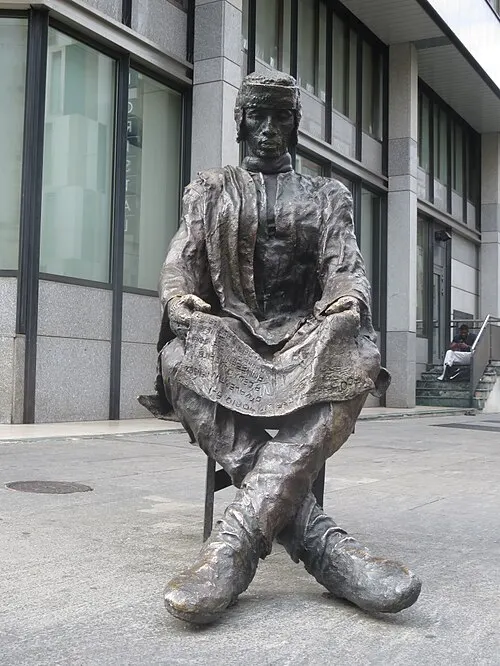
Dakar's artists are part of the visit. Look for the work of Ousmane Sow, the sculptor of larger-than-life figures who was born in the city in 1935 and died there in 2016, and for the painters of the École de Dakar. Our list of Senegalese artists names more.
During the biennale
Every two years Dak'Art fills the museums and the city with exhibitions. If your trip falls on a biennale year, read our guide to Dak'Art, the Dakar Biennale, which covers the 2026 edition (19 November to 19 December), and add a day for the independent "OFF" exhibitions.
Two to four days
- Day 1: the Théodore Monod Museum on Place Soweto, then the Plateau on foot.
- Day 2: the Museum of Black Civilisations, and its current exhibitions.
- Day 3: Gorée and the House of Slaves.
- Day 4: the biennale or, outside biennale years, galleries and artists' studios you have found through the museums.
Opening hours and ferry times change; confirm them locally on the day. For museums elsewhere on the continent, see where to see African art.
Photographs